Osney Power Station Oxford
A 'Placemaking Pioneers' project story
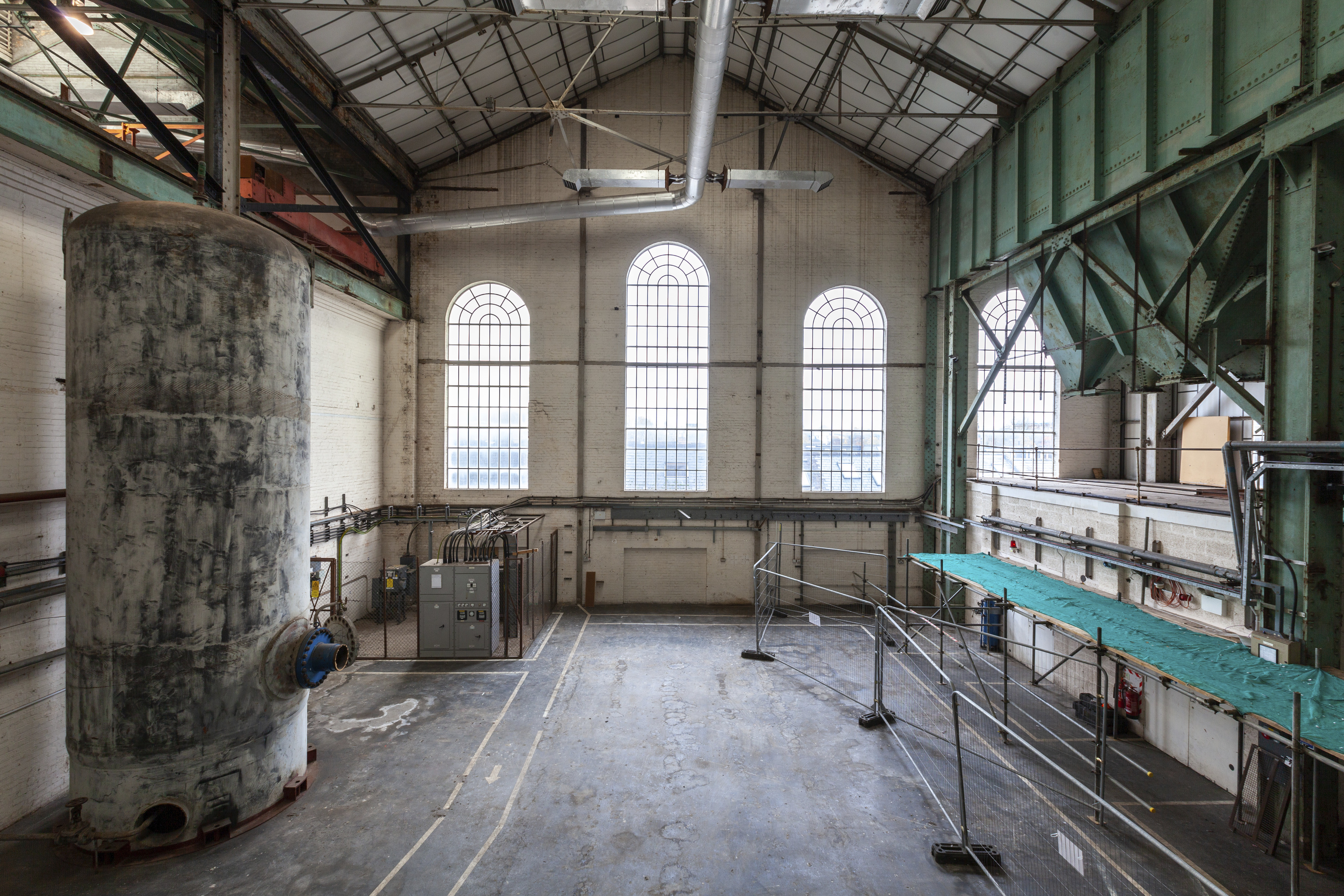
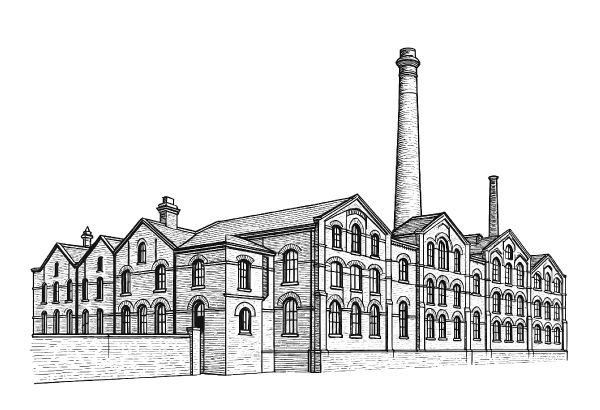
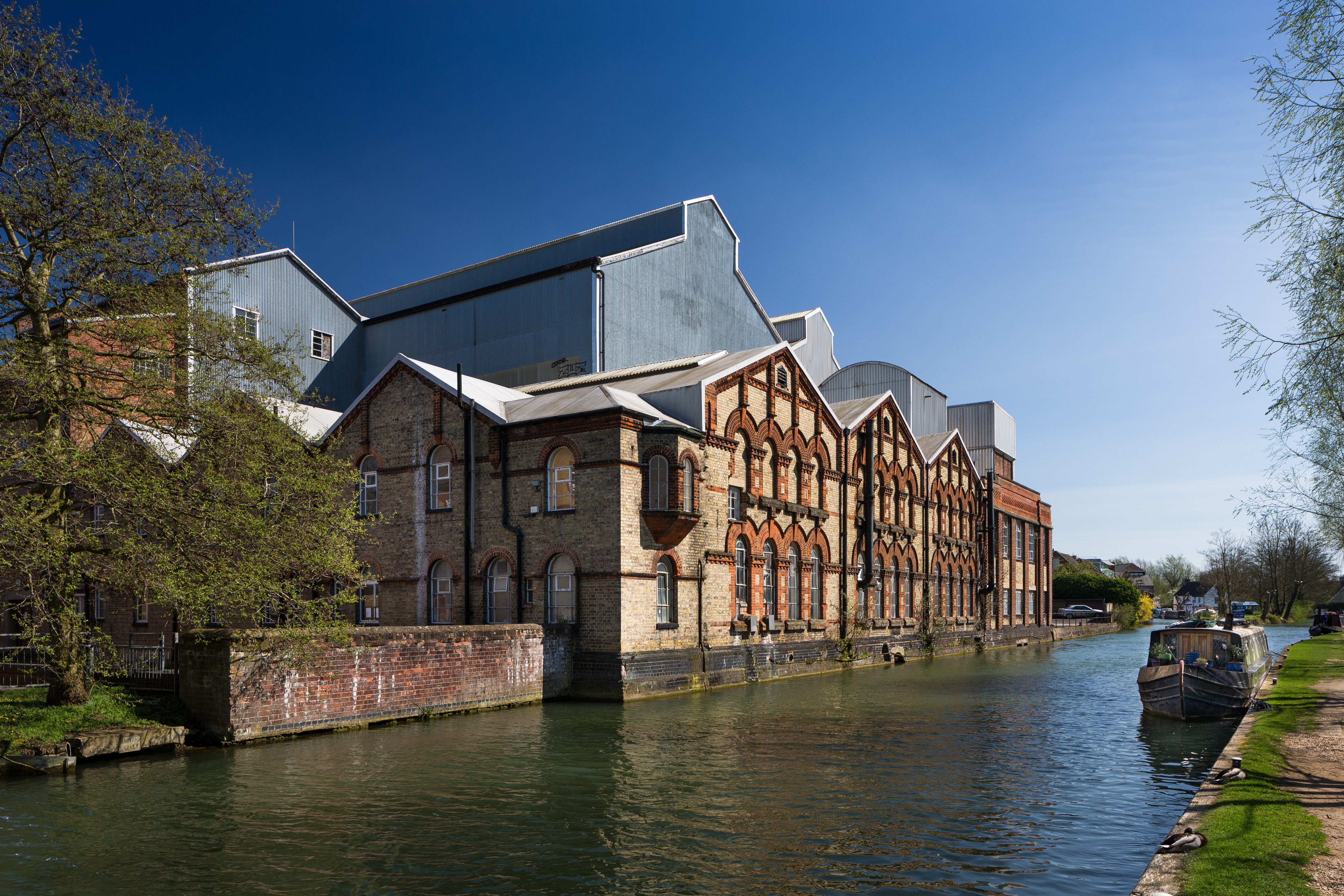
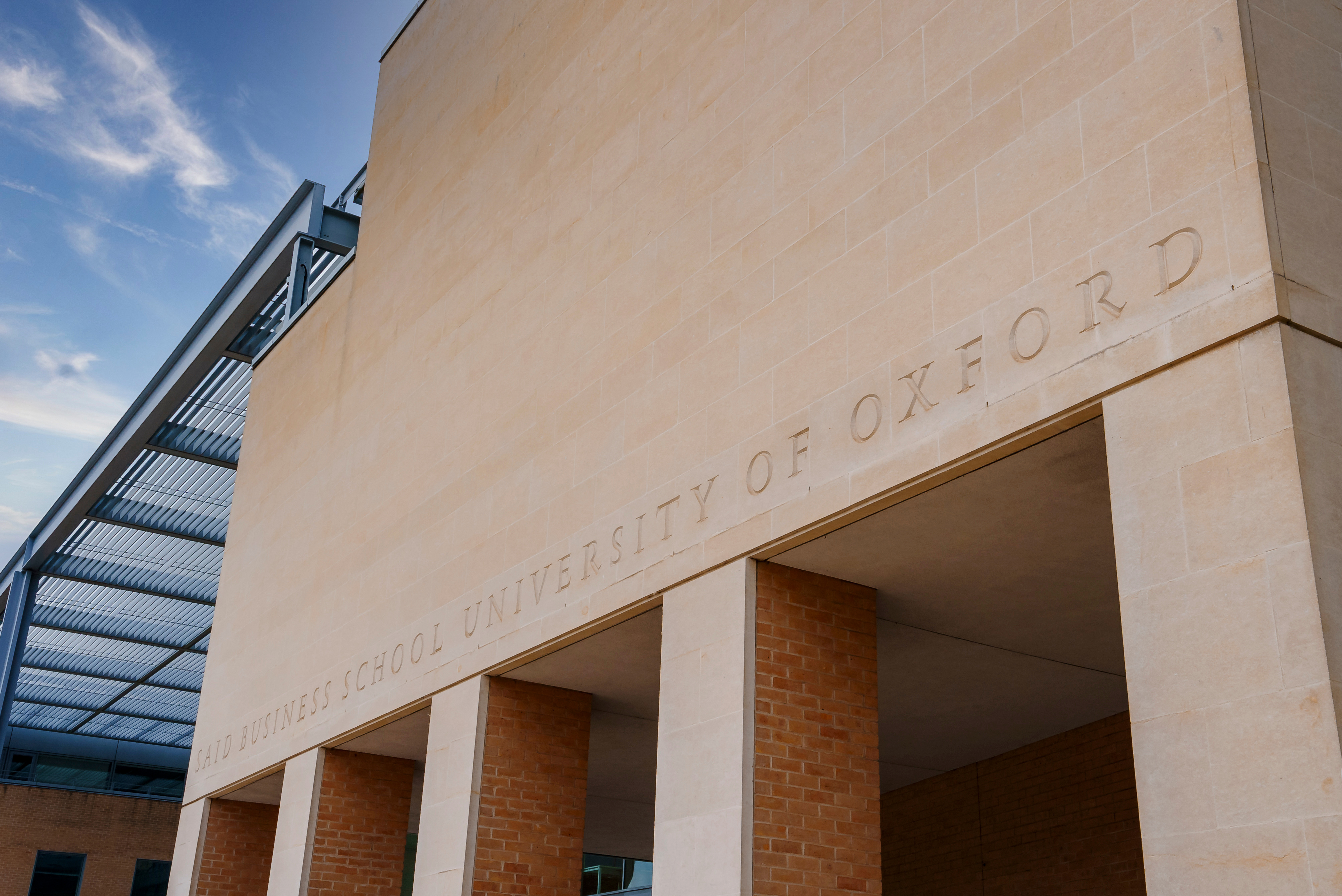
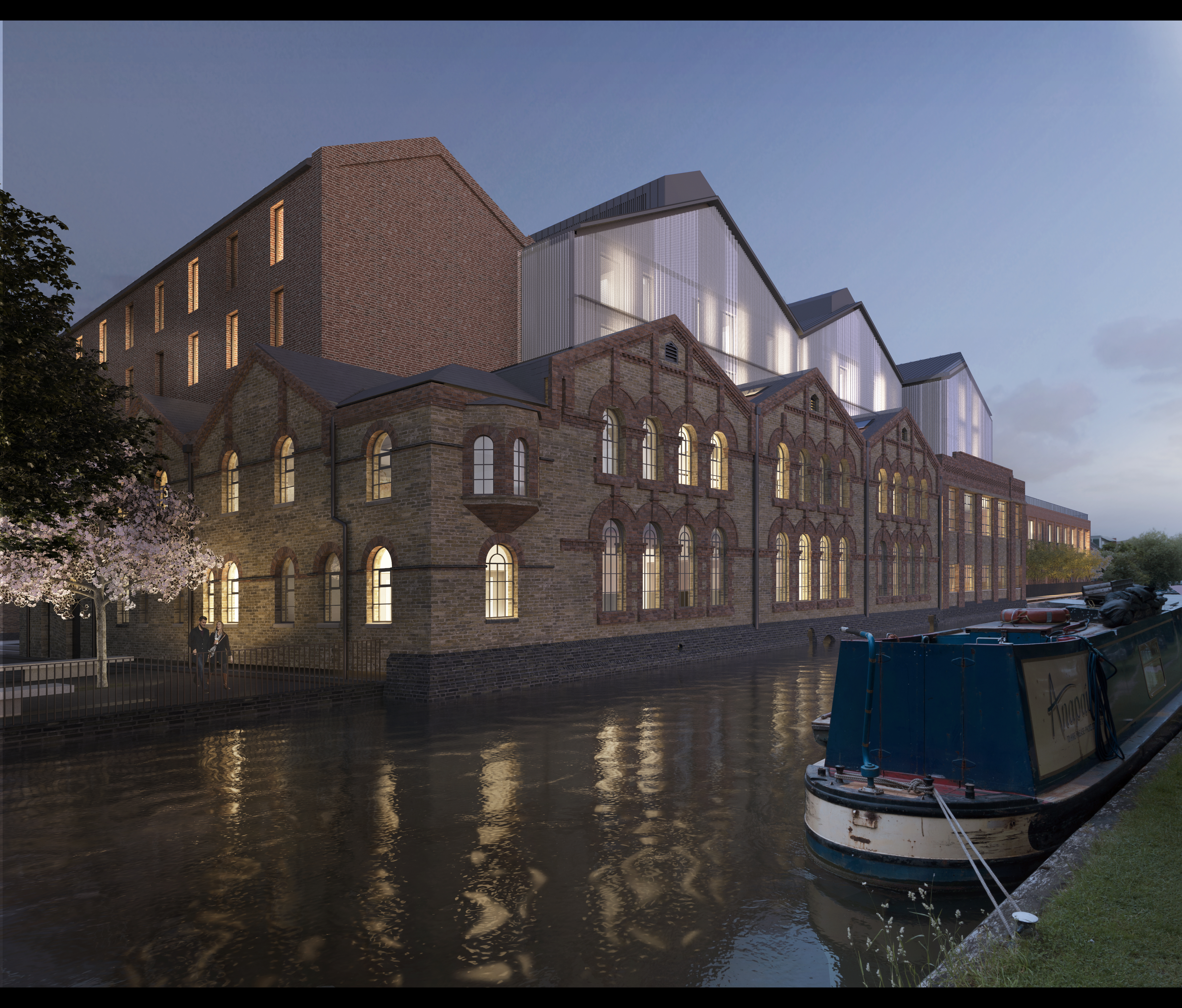
Ridge has been working with the University of Oxford's Saïd Business School to redevelop the former power station, situated next to Osney Island in the centre of Oxford, into a 'Global Centre of Excellence for Executive Education'.
Click on a chapter to find out more
Scroll on
Redefining sustainable heritage
The history of the site
CONTENT
Overcoming the challenges
Achieving the aspiration
01
02
03
04
ridge.co.uk
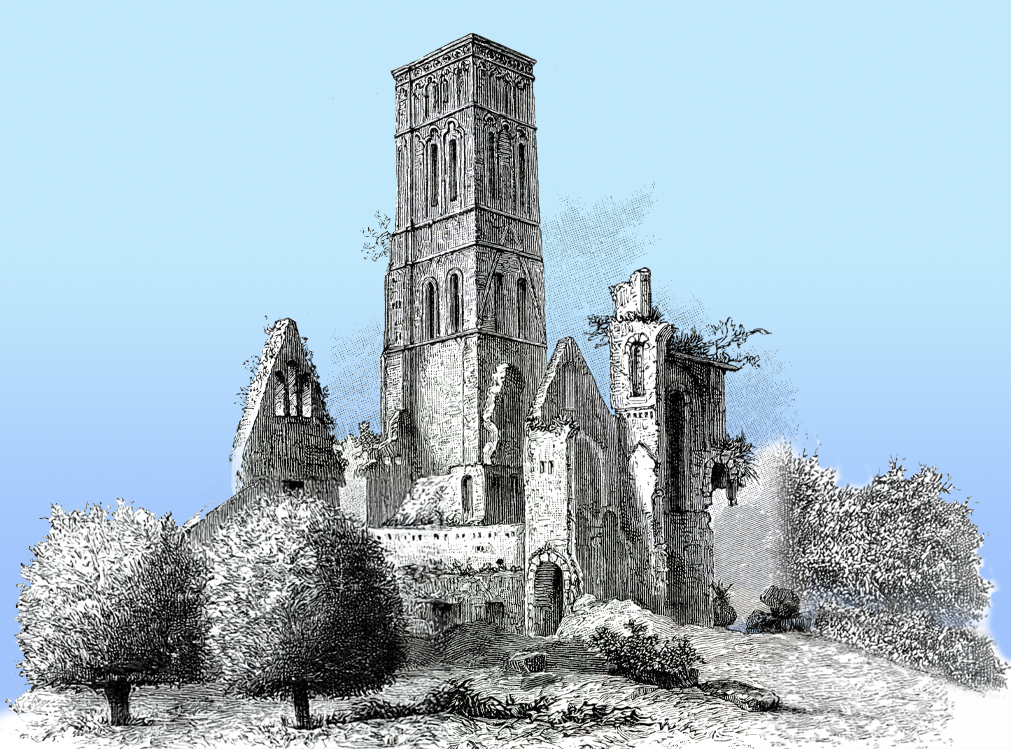
A river island with ancient roots
Great Tom the abbey’s bell was moved in 1545 to Christ Church and weighs in at over six tons. “The loudest bell in Oxford”, Tom has sounded 101 times every night since the Second World War.
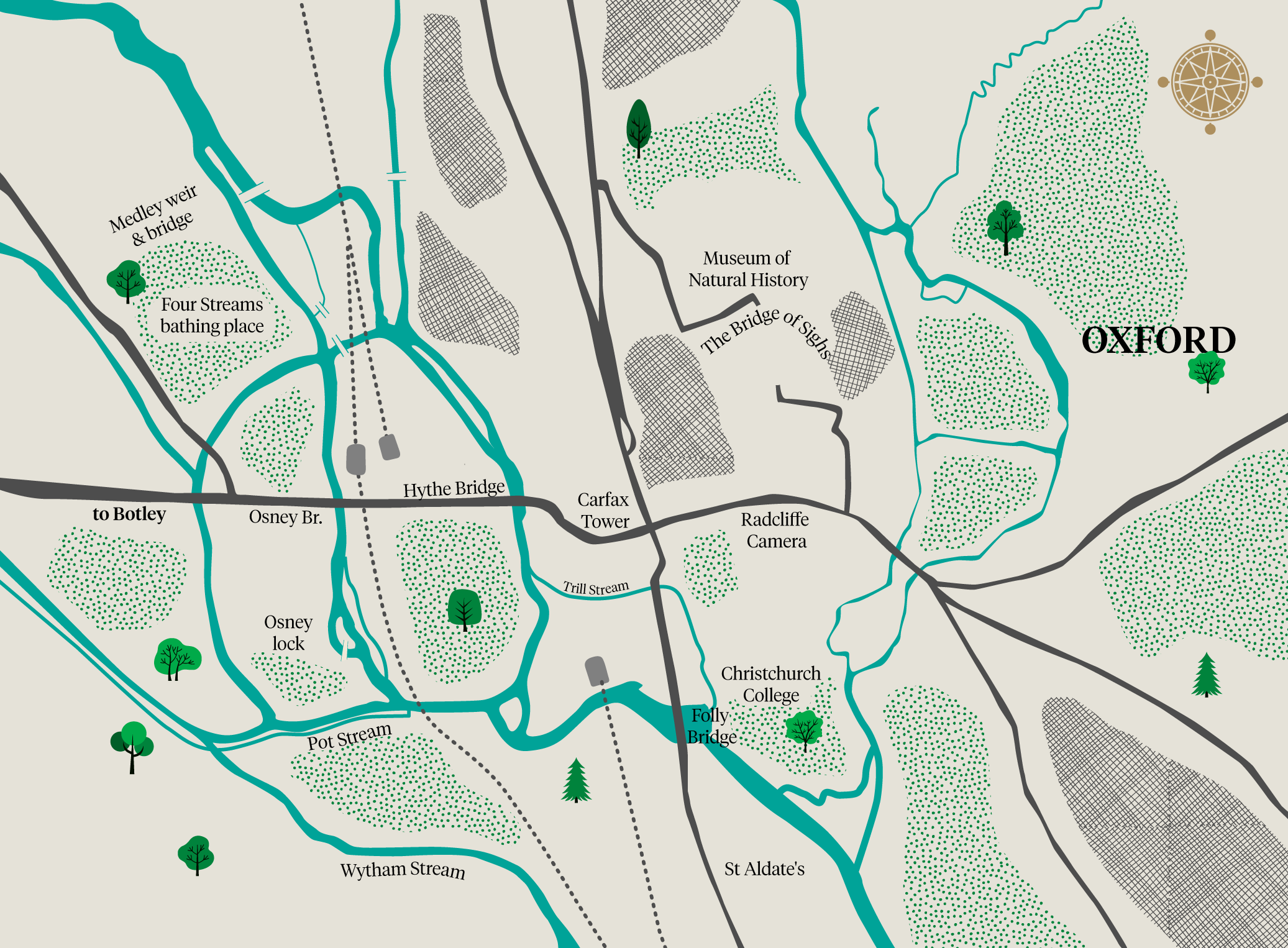
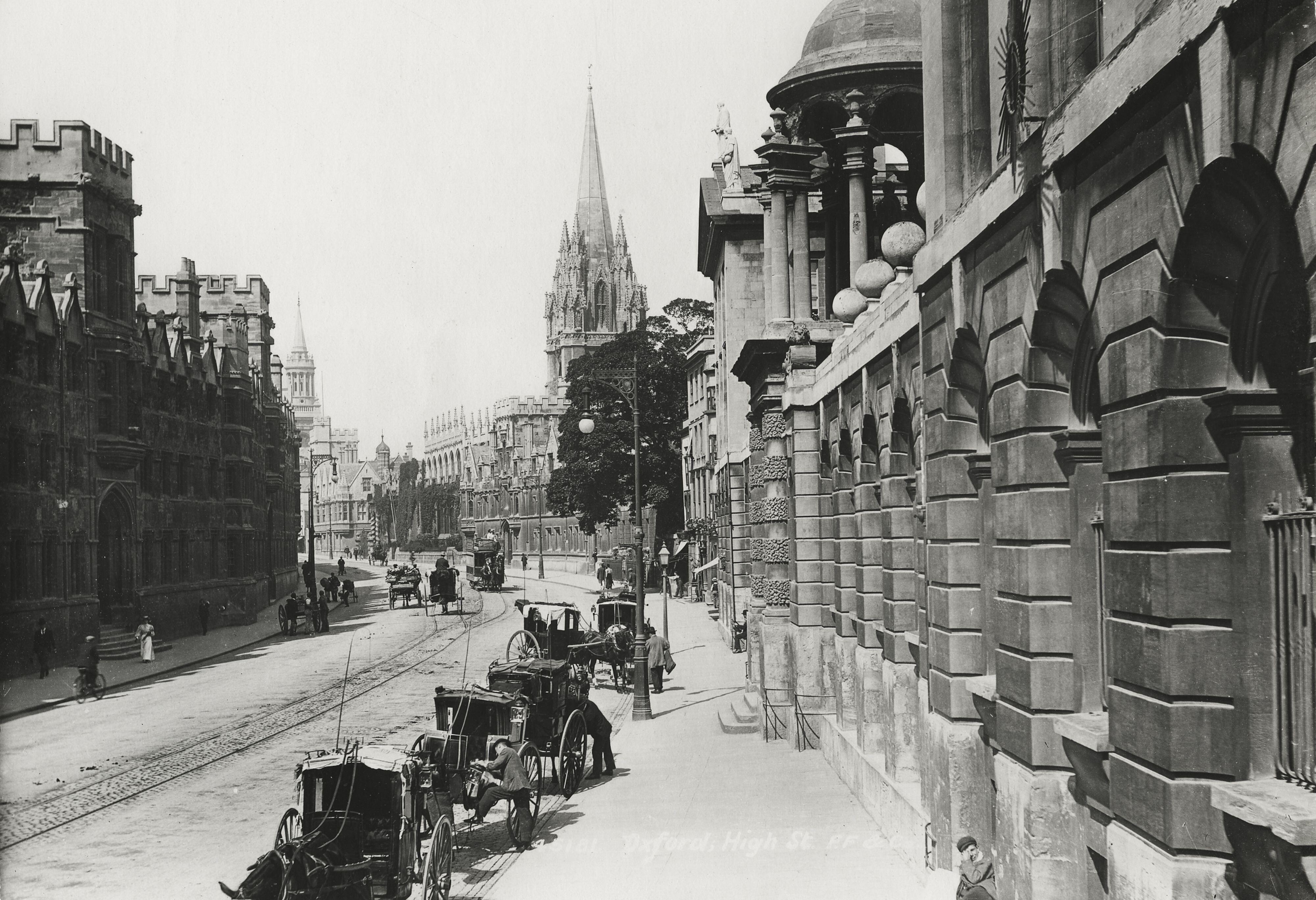
Following the Abbey’s dissolution in 1539, the seat of power and its bell Great Tom were transferred to Christ Church. The land gradually returned to marsh and meadow, later nicknamed "Frog Island" because of its frequent flooding. In the 19th century, Osney Island was developed for housing linked to Oxford’s expanding railway economy, bringing new energy and activity to the area.
Forgotten farmland and Frog Island
Sue Dopson Interim Dean and Professor of Organisational Behaviour, University of Oxford's Said Business School
"This is a transformative moment for Oxford, Said and the wider community"
Learn more
Lasting impact. Timeless reinvention.
Osney's story is one of reinvention: from medieval abbey to industrial powerhouse, from flood-prone farmland to residential community. Now, as it becomes a place for learning and leadership, Osney Power Station carries its rich layers of history into the new century.
Restoring the heart of Osney
Designed by John McAslan and Partners, this transformative project on behalf of Saïd Business School honours the past and looks to the future.
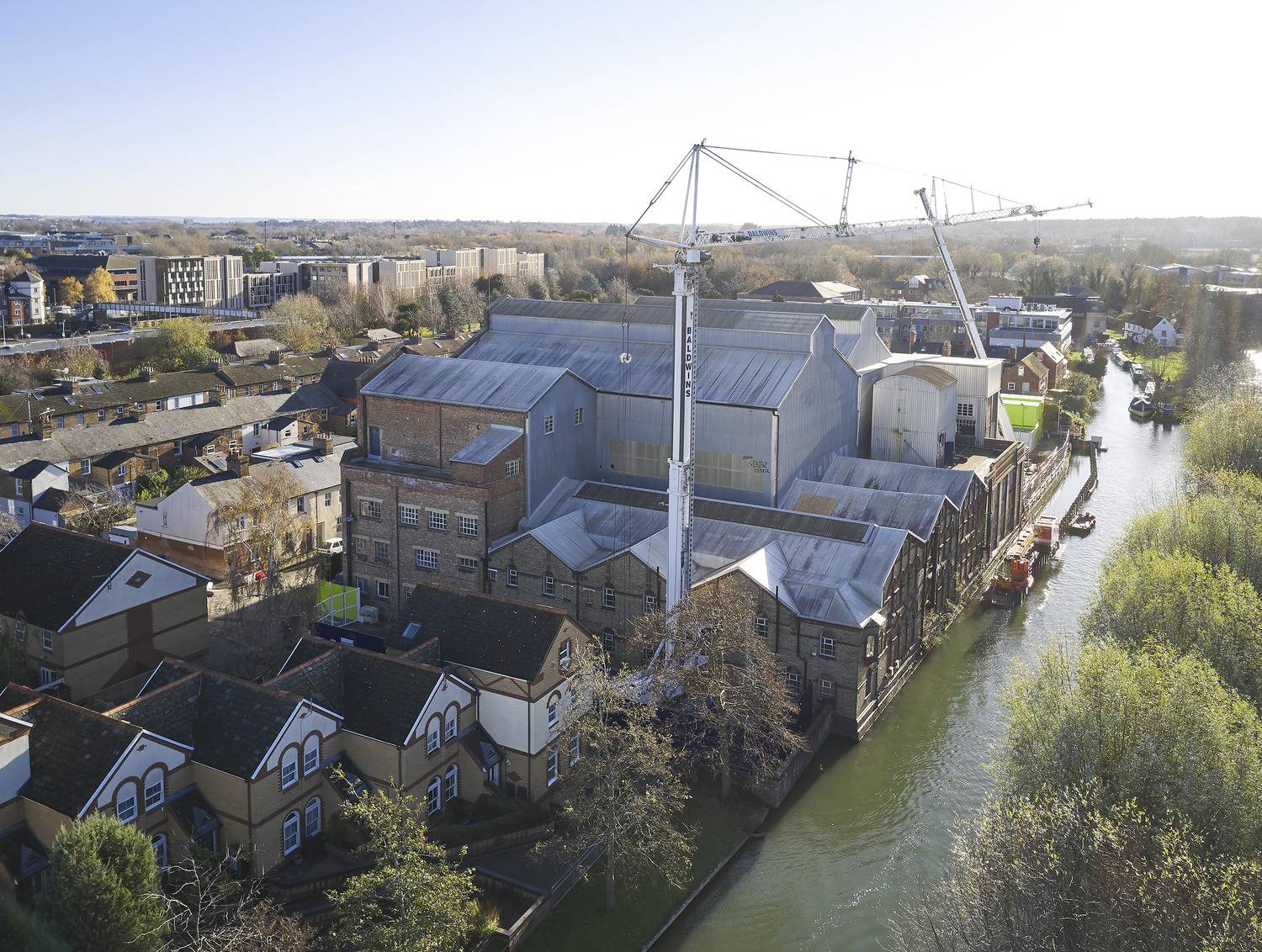
Osney Power Station on the banks of the River Thames isn't just an architectural landmark - it's a living piece of Oxford's industrial and social history, and its colourful past is continuing to shape its future. Ridge is proud to work with the University of Oxford's Saïd Business School on the rebirth of this grand structure into a global Executive Education Centre.
Echoes of industry and island life
The name “Osney” may stem from “Osa’s Island” or the ancient British word for river, “Ouse” — fitting for a site shaped by water for centuries. In the 12th century, it became home to Oseney Abbey, one of Oxford’s most powerful religious institutions.
Lighting Oxford When it opened in 1892, Osney Power Station supplied electricity for Oxford’s trams and early street lighting. It was part of a wave of municipal infrastructure that helped modernise the city.
Saïd Business School was founded in 1996 when Syrian-born businessman Wafic Saïd offered the University a donation of £28 million
Next chapter
Back to menu
© John McAslan + Partners
01 The history of the site
02 Achieving the aspiration
03 Overcoming the challenges
04 Redefining sustainable heritage
Find out more Project management at Ridge
Delivering quality is a key focus and essential to a project that has spanned eight years. From enhanced inspections to smart use of technology, the team has enforced rigorous and consistent standards across every phase. This is a building designed to last, with durable, high-spec finishes in critical areas such as mechanical services, façades and infrastructure.
we have delivered:
OpenSpace 360°
Digital dashboards
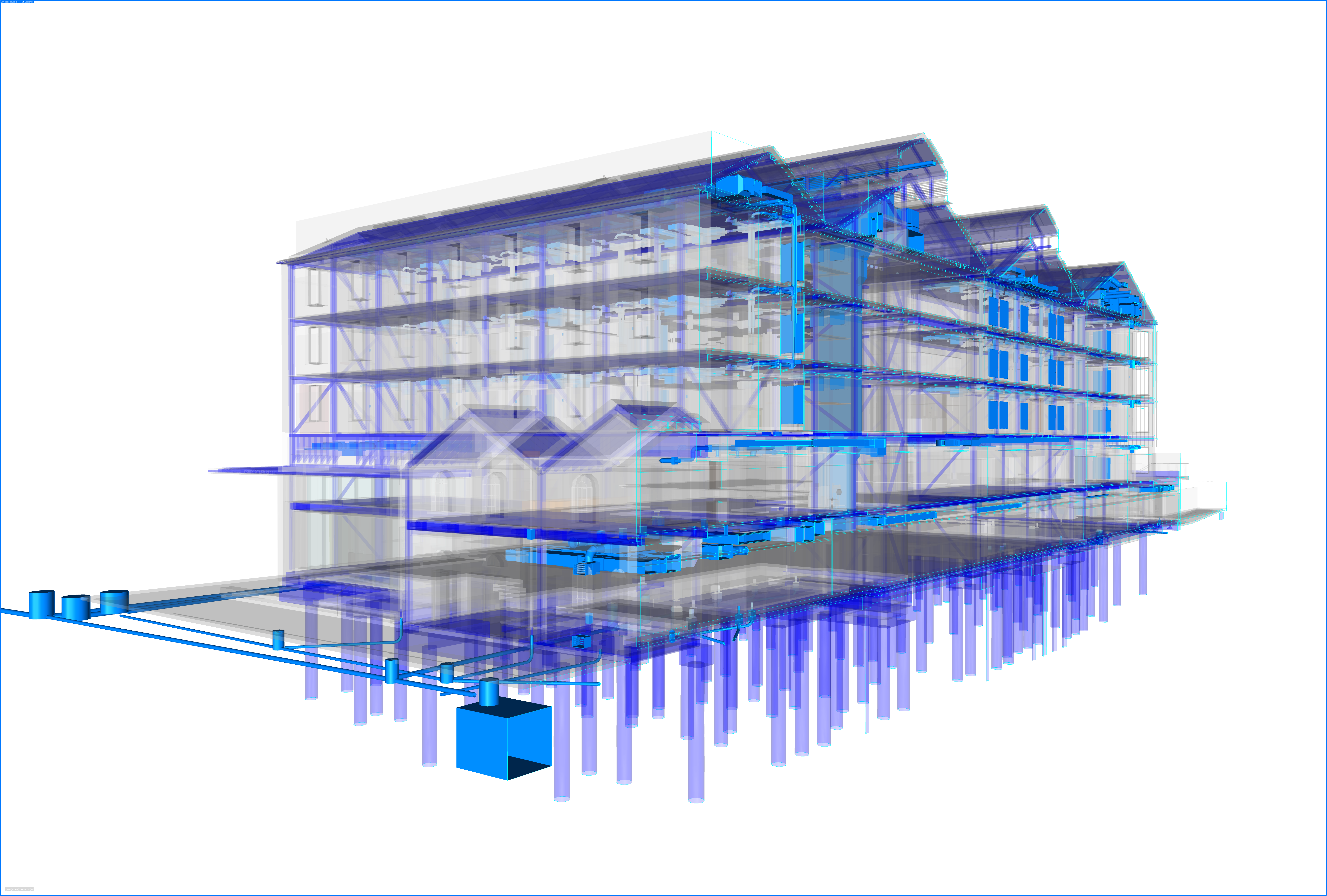
Building Information Modelling services
?
In the heart of Oxford on the banks of the Thames, the Saïd Business School is transforming the historic Osney Power Station into a Global Centre of Excellence for Executive Education. Our Project Management team at Ridge is providing full services for this ambitious, complex and highly sensitive programme.
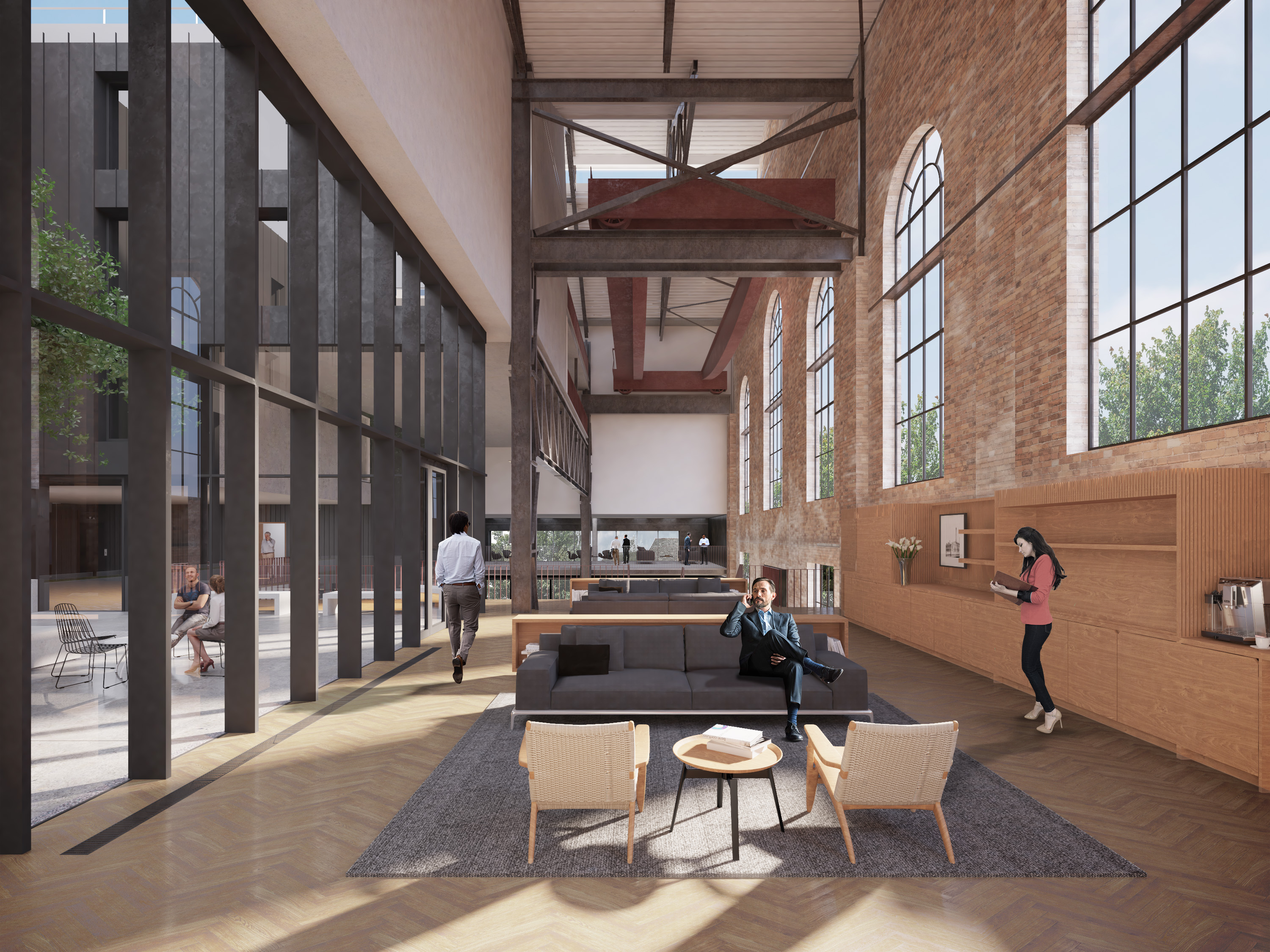
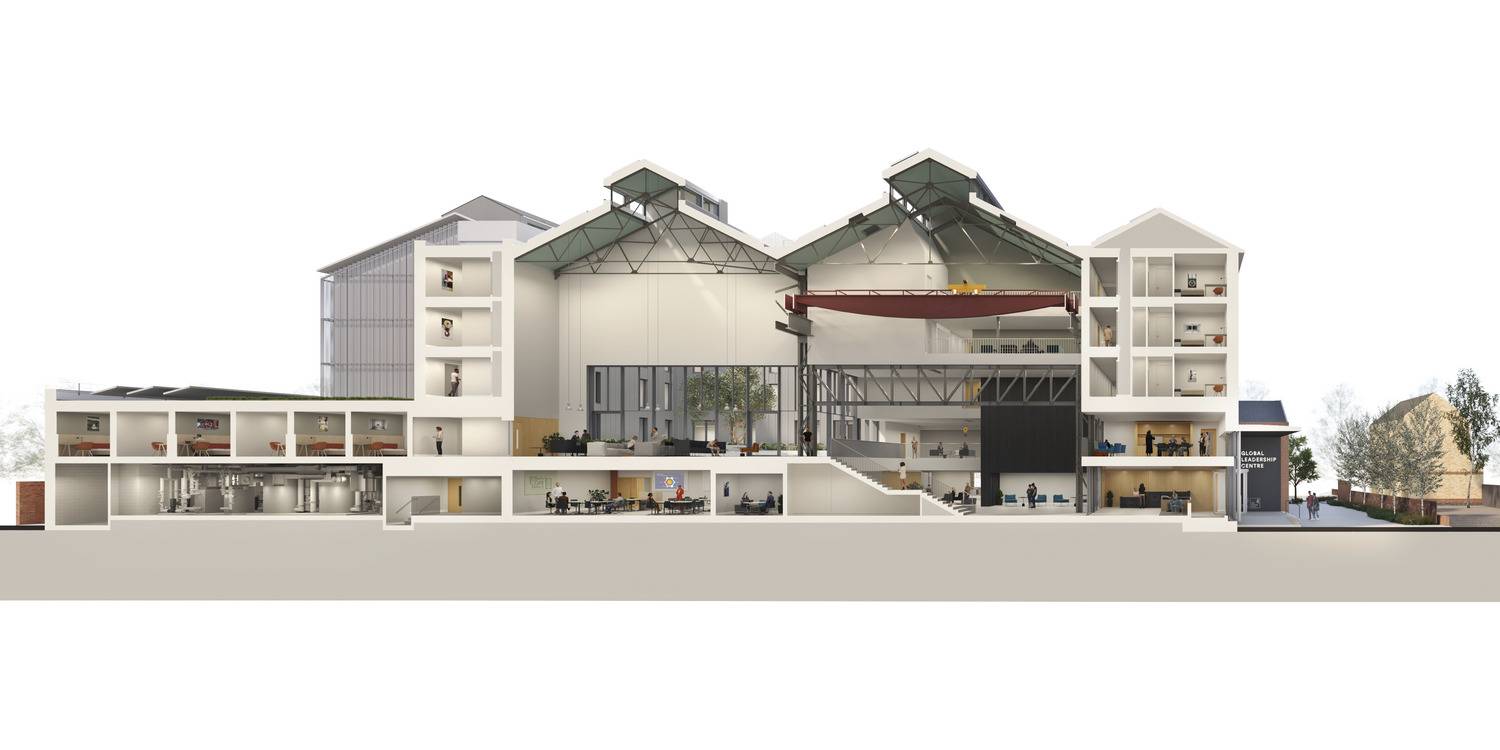
The Business School's residential courses are currently run from a respected but remote 1960s facility that no longer meets its ambition. The redevelopment of Osney Power Station - a landmark Victorian building that's listed on the City Council's Heritage Register - will change that. Alongside a top-quality team, we’re delivering a space that respects the site’s industrial past while creating flexible, future-focused environments. This includes modular teaching spaces, an ‘agora-style’ hub, AV/IT suites, leisure facilities and over 120 en-suite bedrooms.
Project Management
Structural Engineer
M&E Engineer
Architect
WHO'S wHO aT OSNEY POWER STATION?
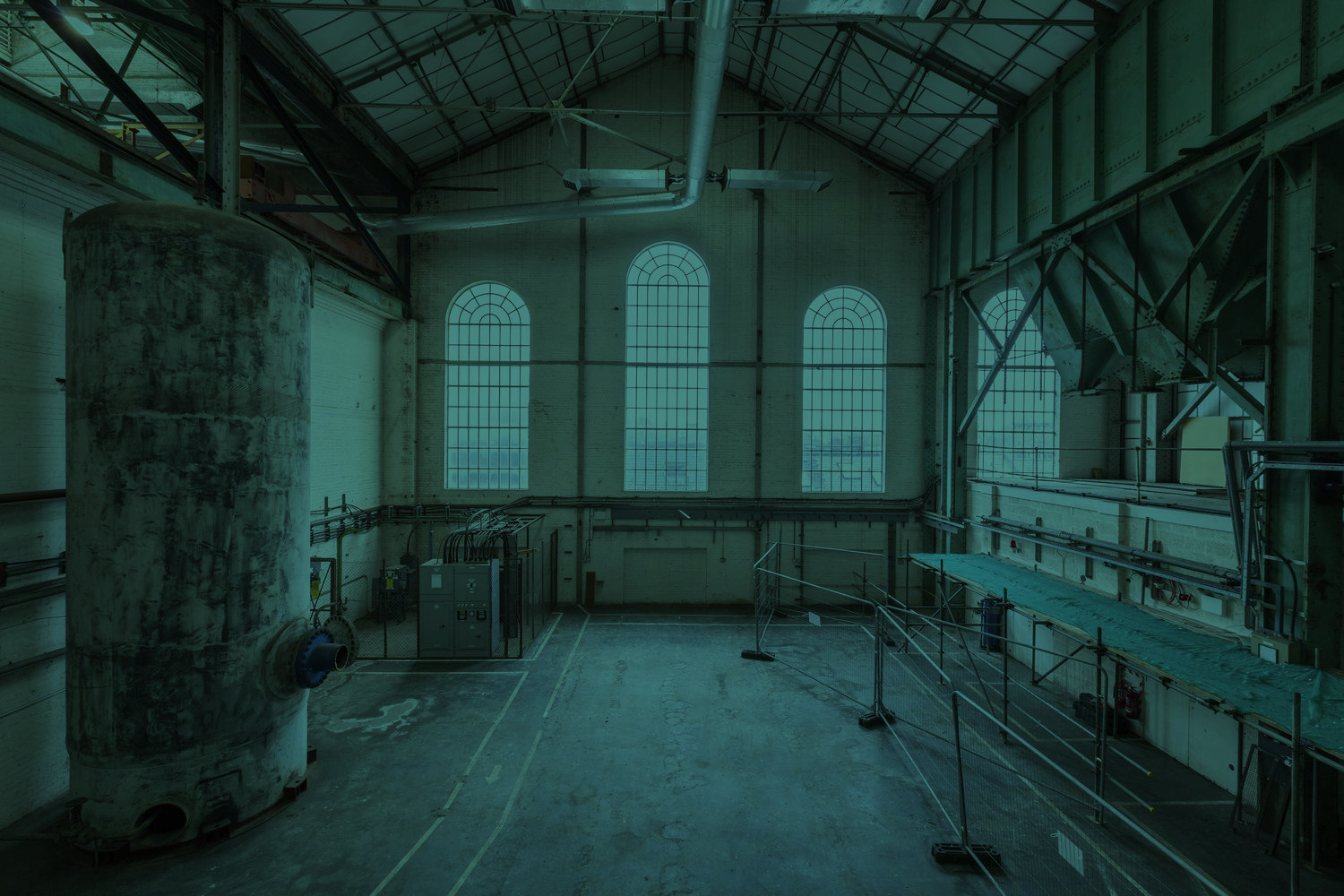
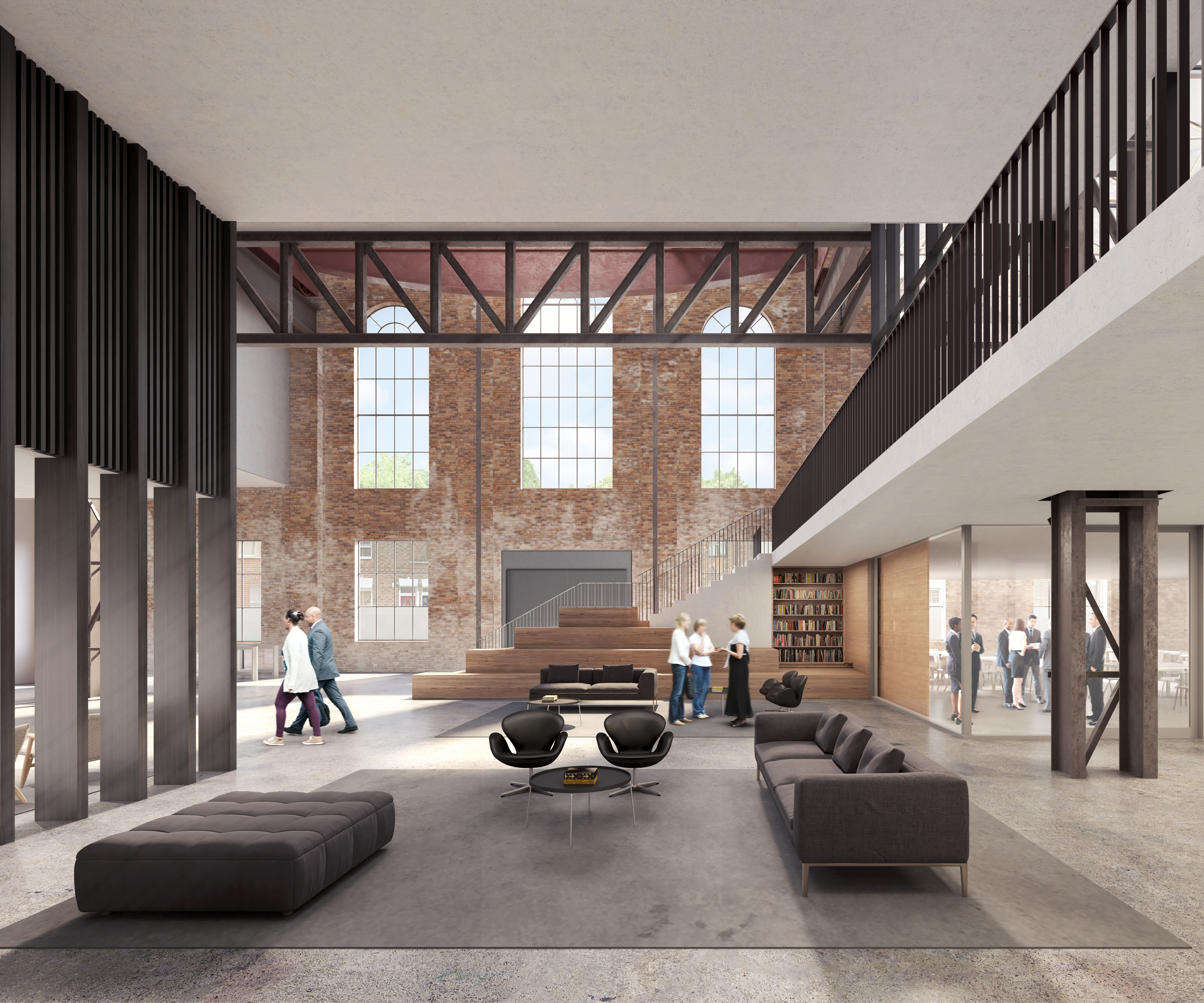
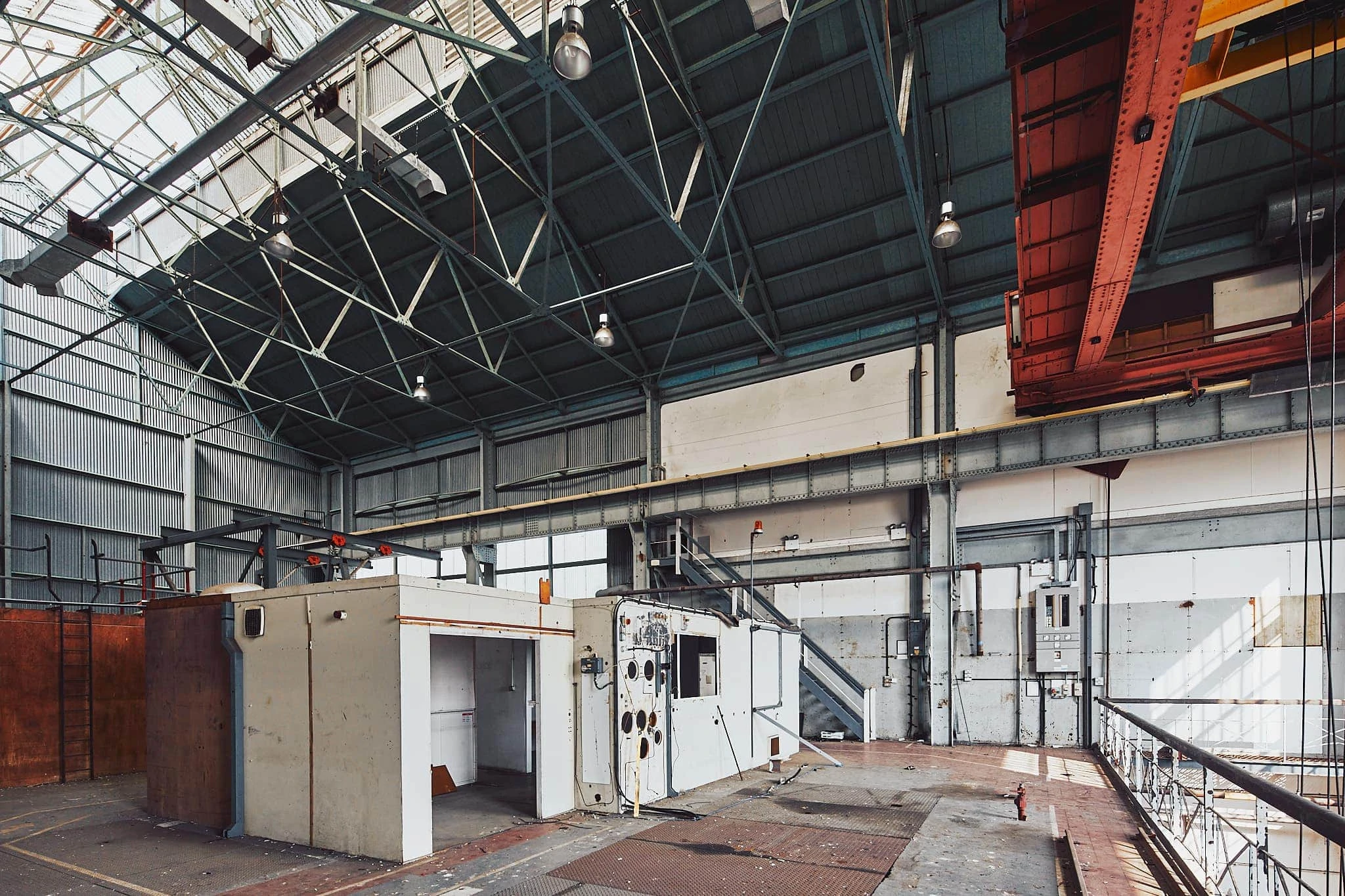
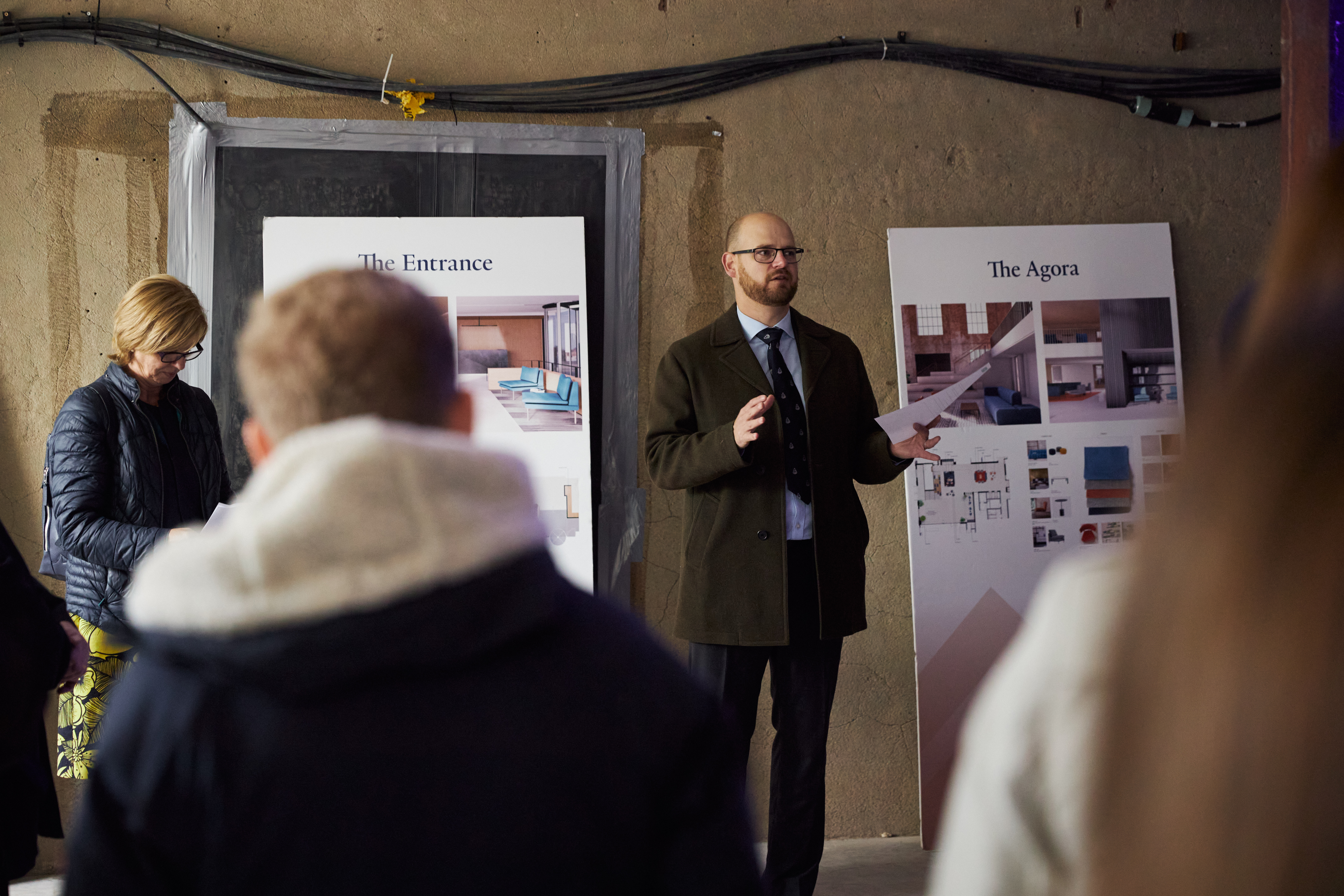
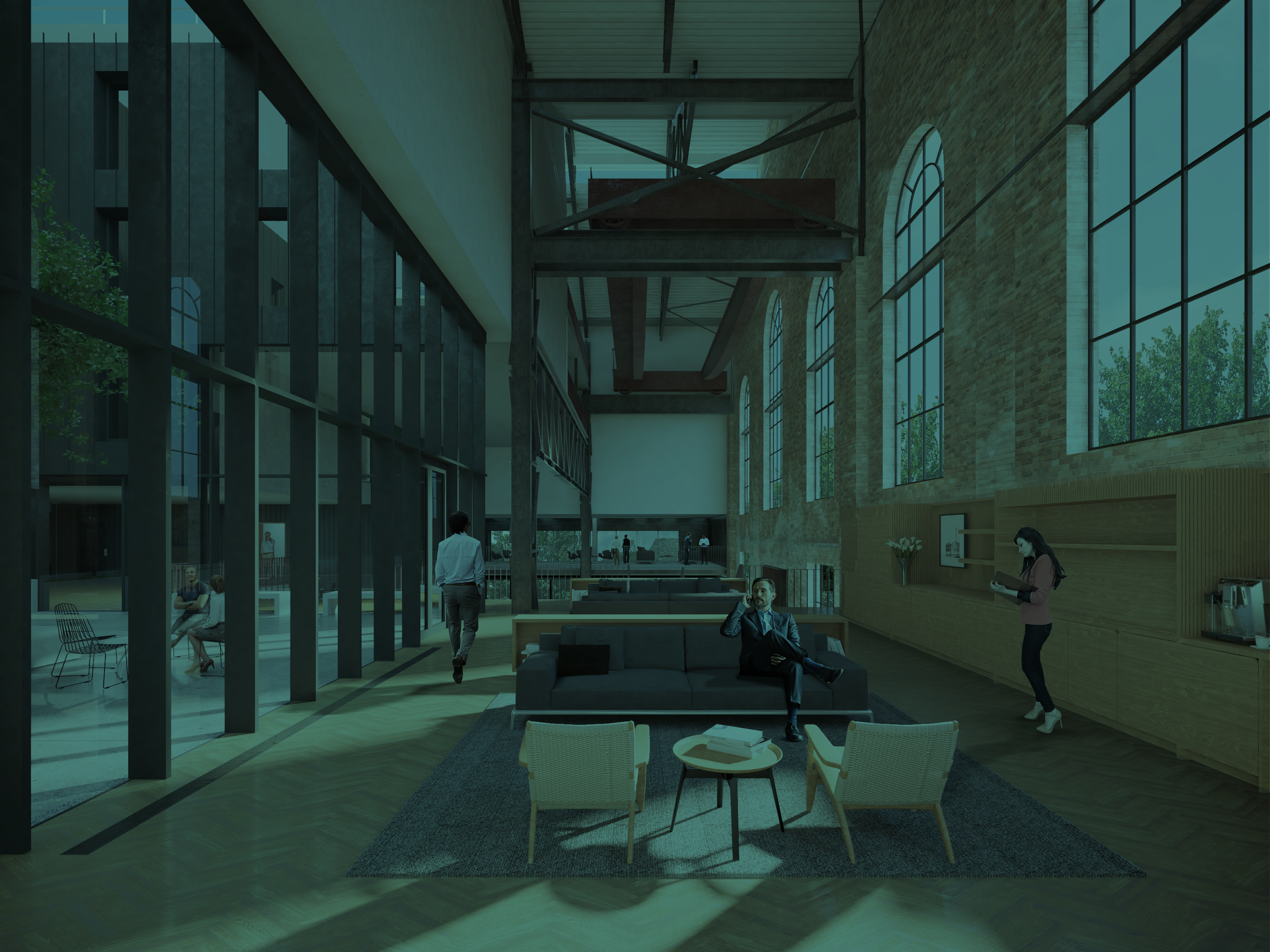
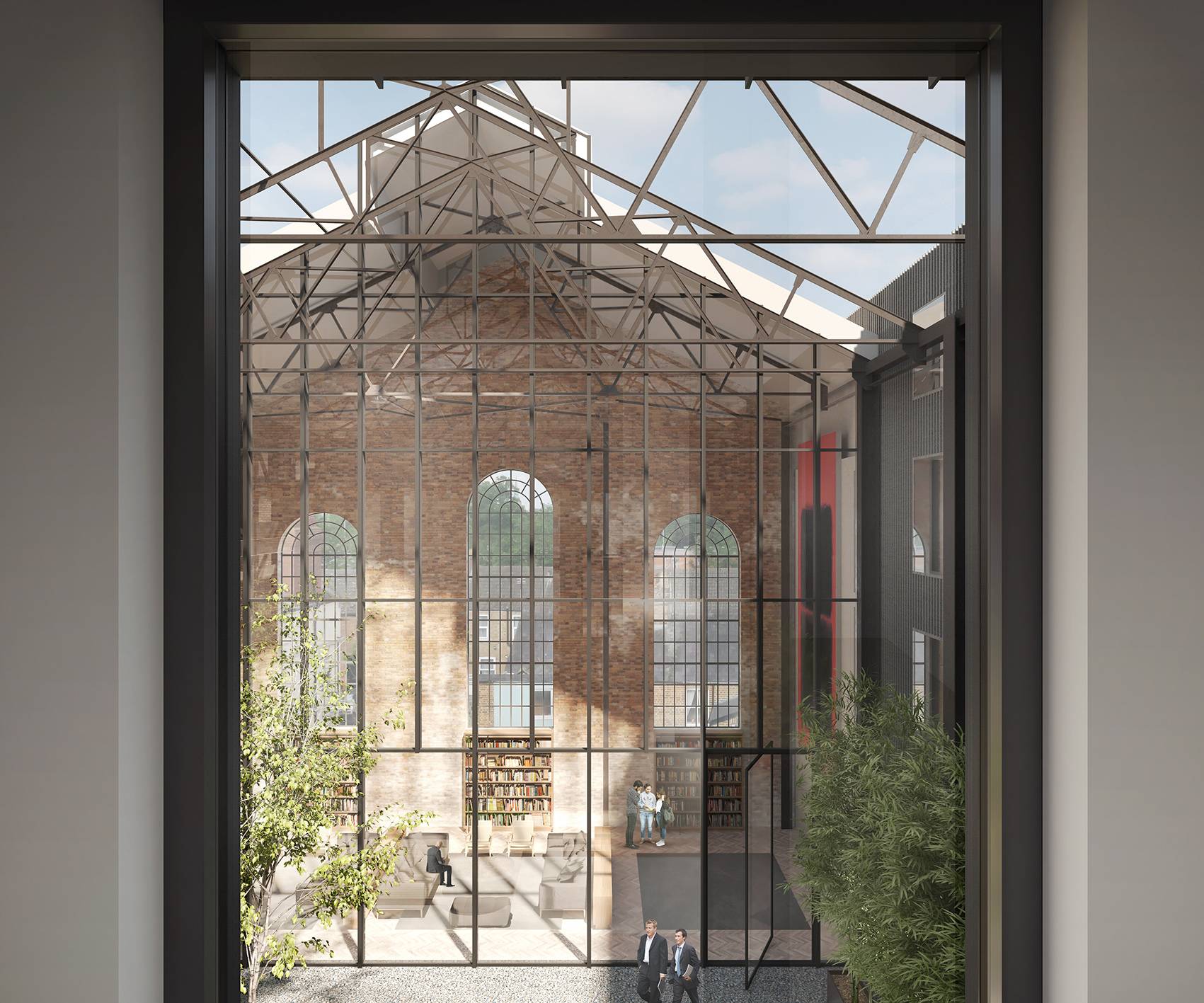
An ‘agora’ is a marketplace or public open space where the ancient Greeks gathered. Today, the power station’s turbine hall lends itself perfectly, providing a spacious, bright and vibrant meeting place for the Business School’s students.
We worked closely with conservation officers, many stakeholders and the local community to protect the integrity of this important Oxford landmark.
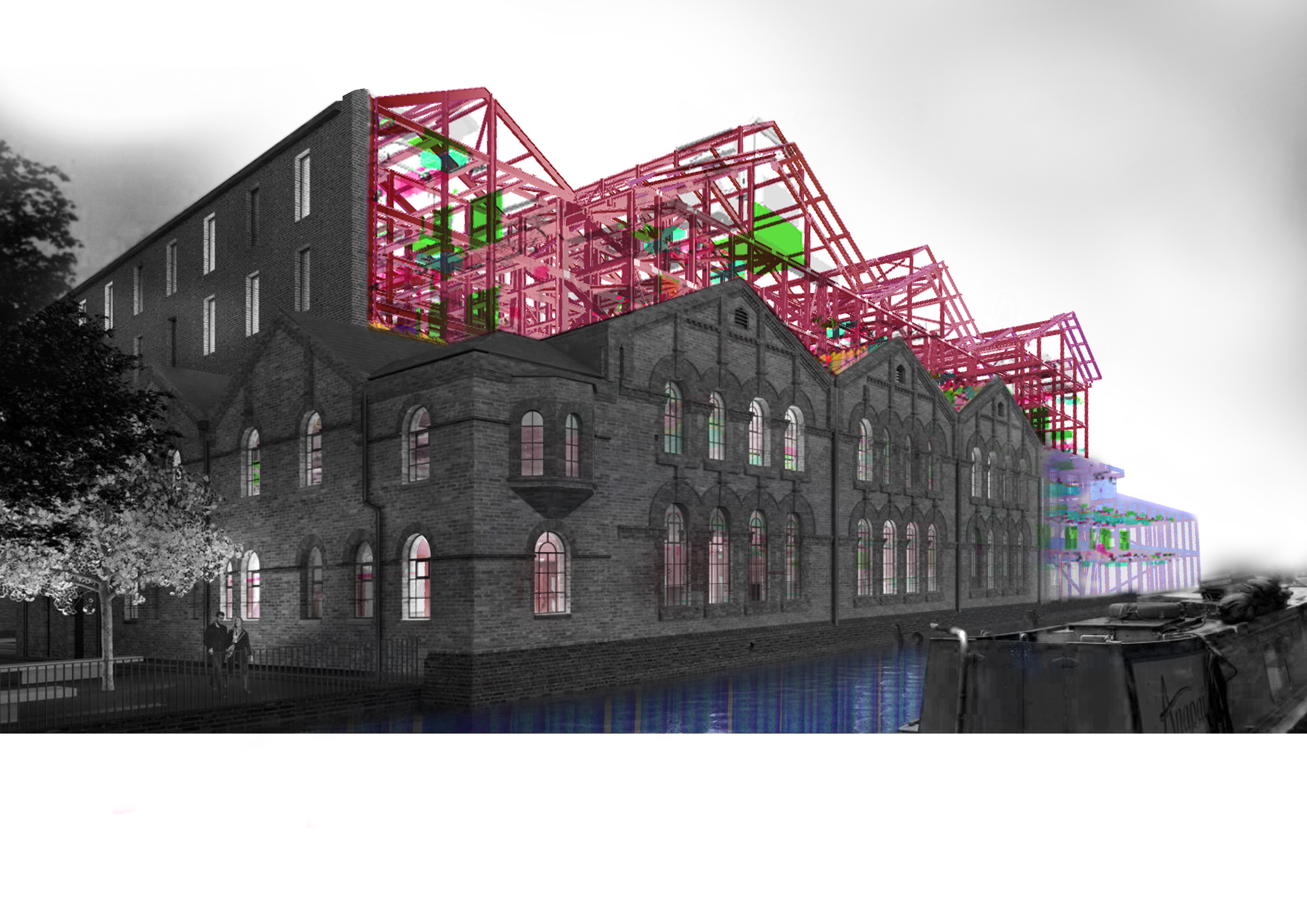
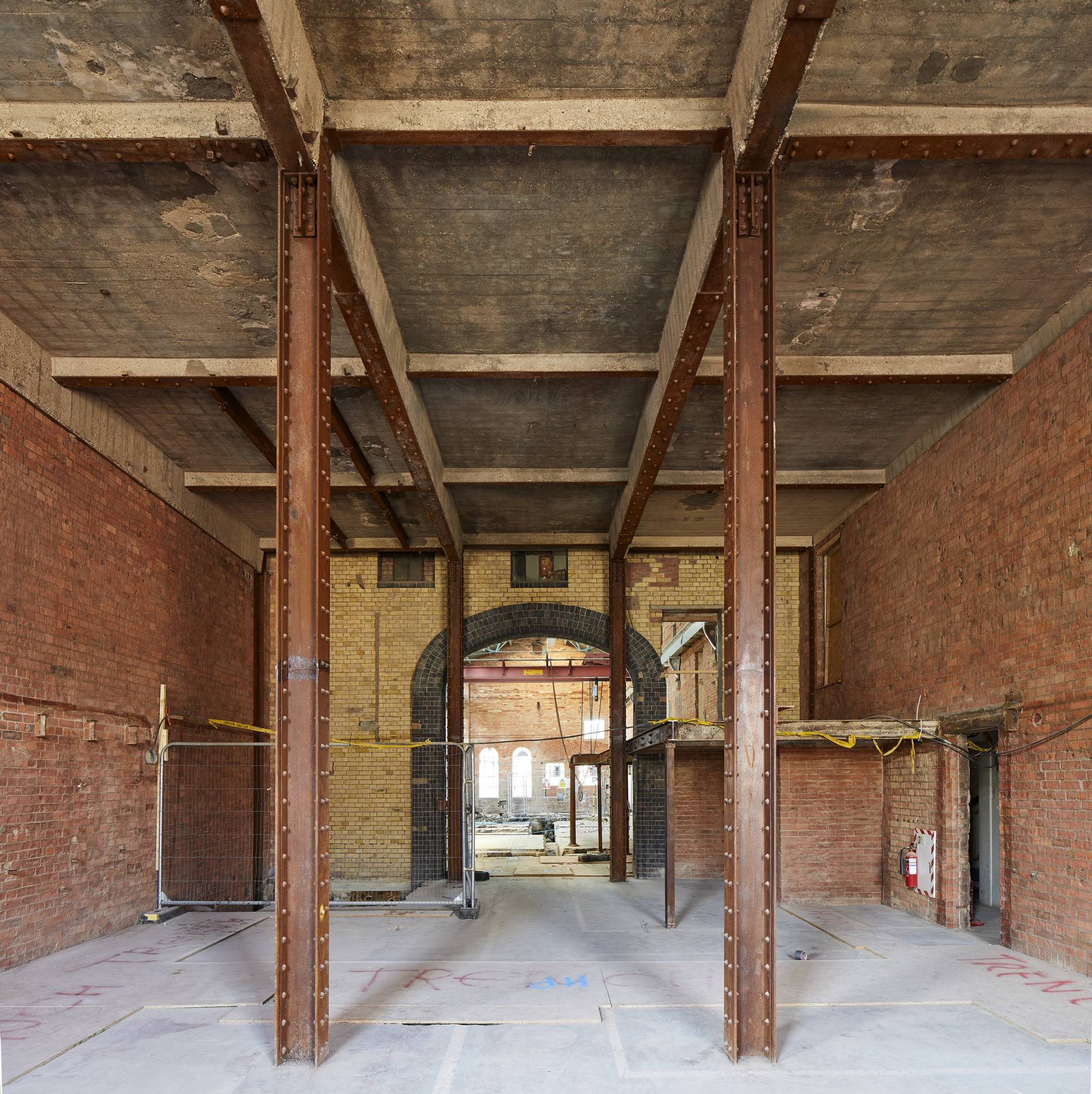
The structure’s design reflects the steel frame added in the 1950s, blending its heritage with contemporary use. We have exceeded the building’s ‘semi-listed’ expectations every step of the way.
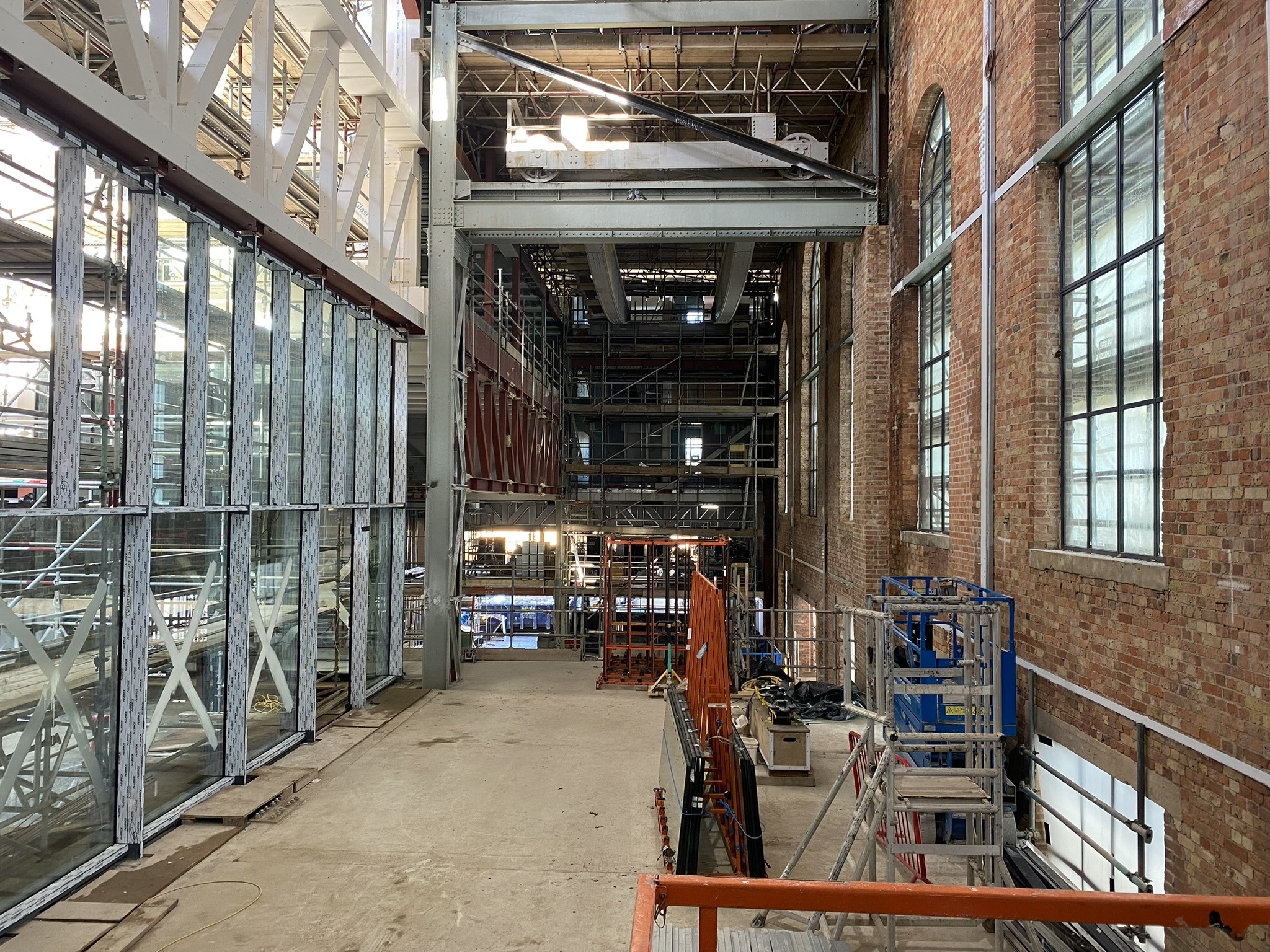
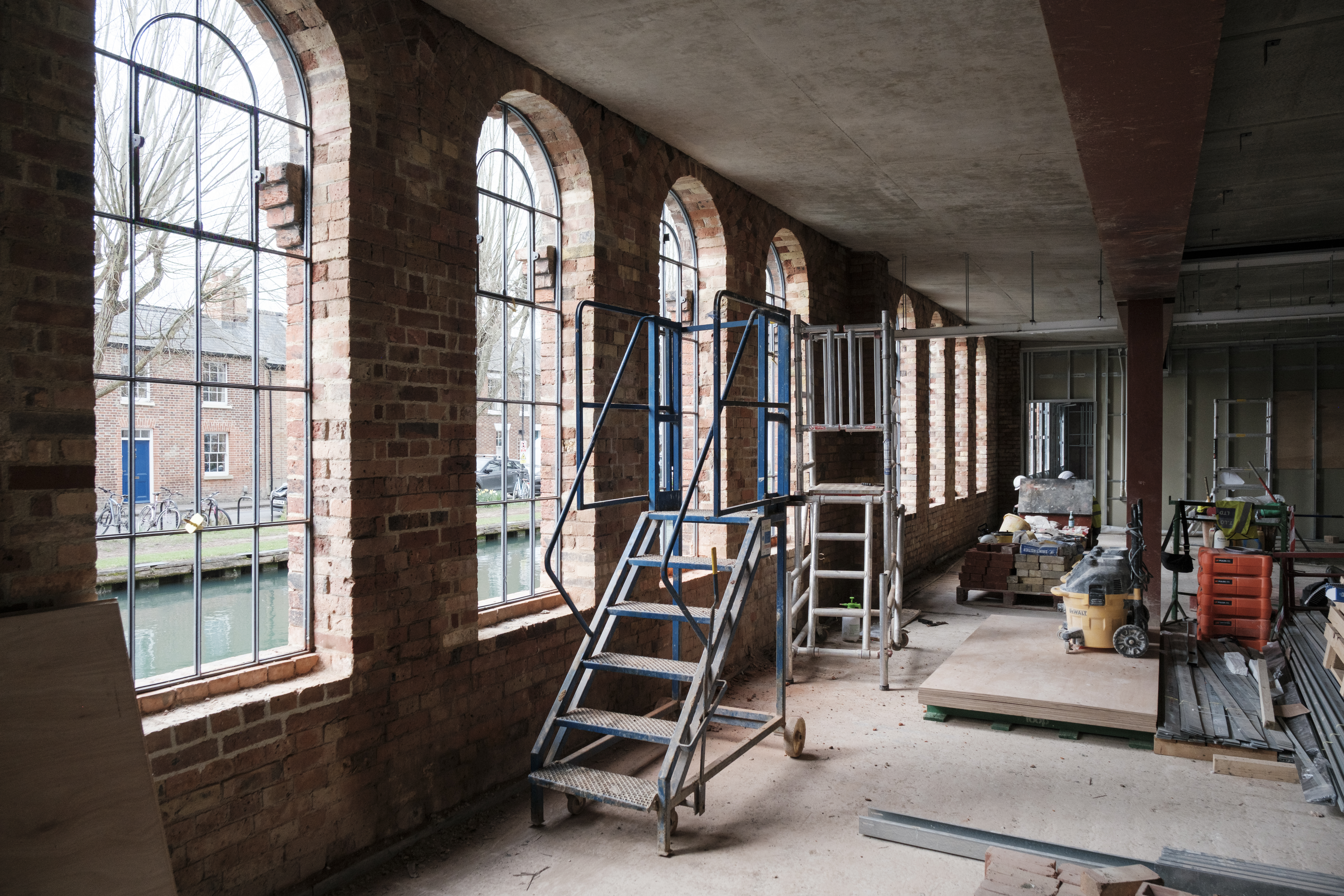
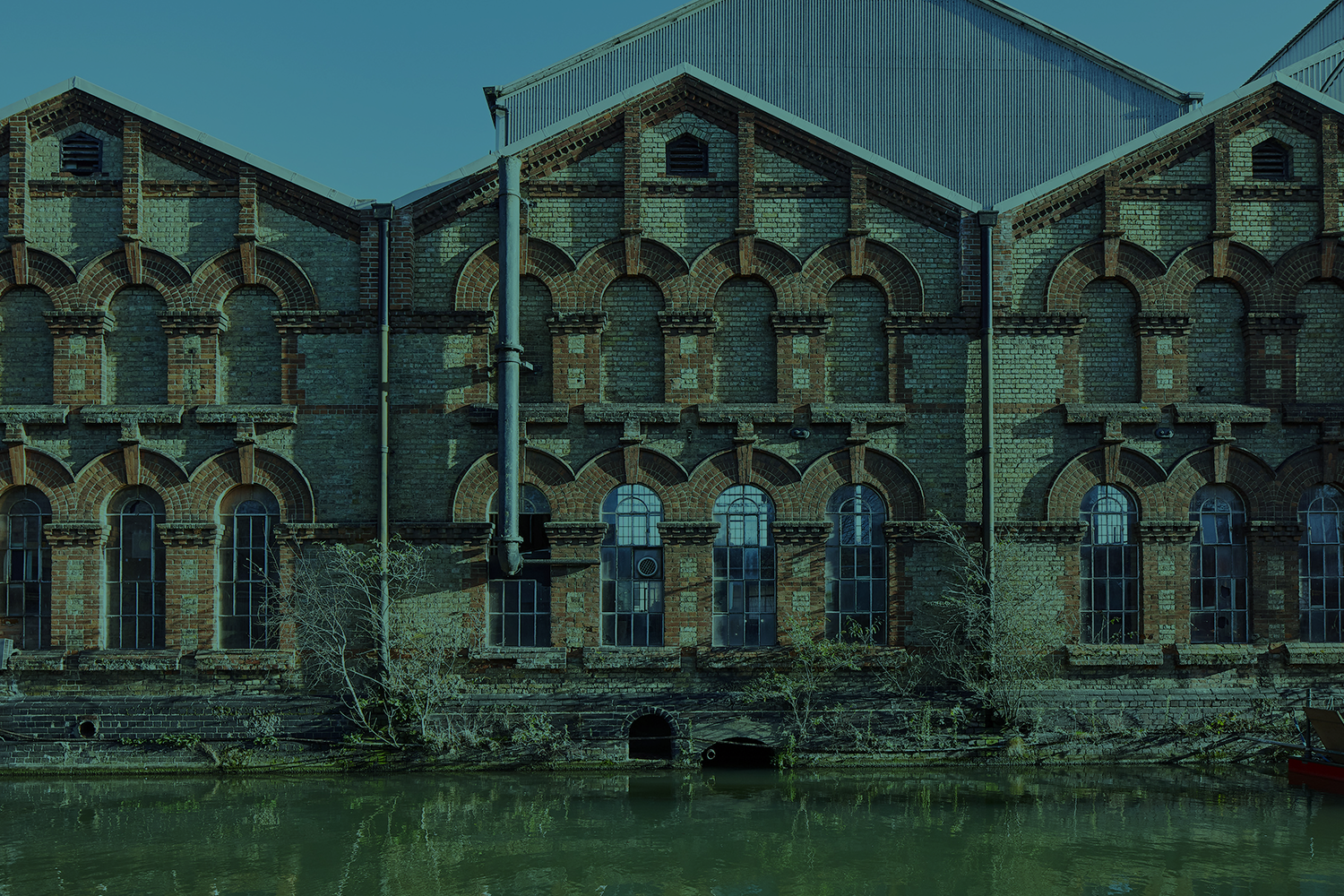
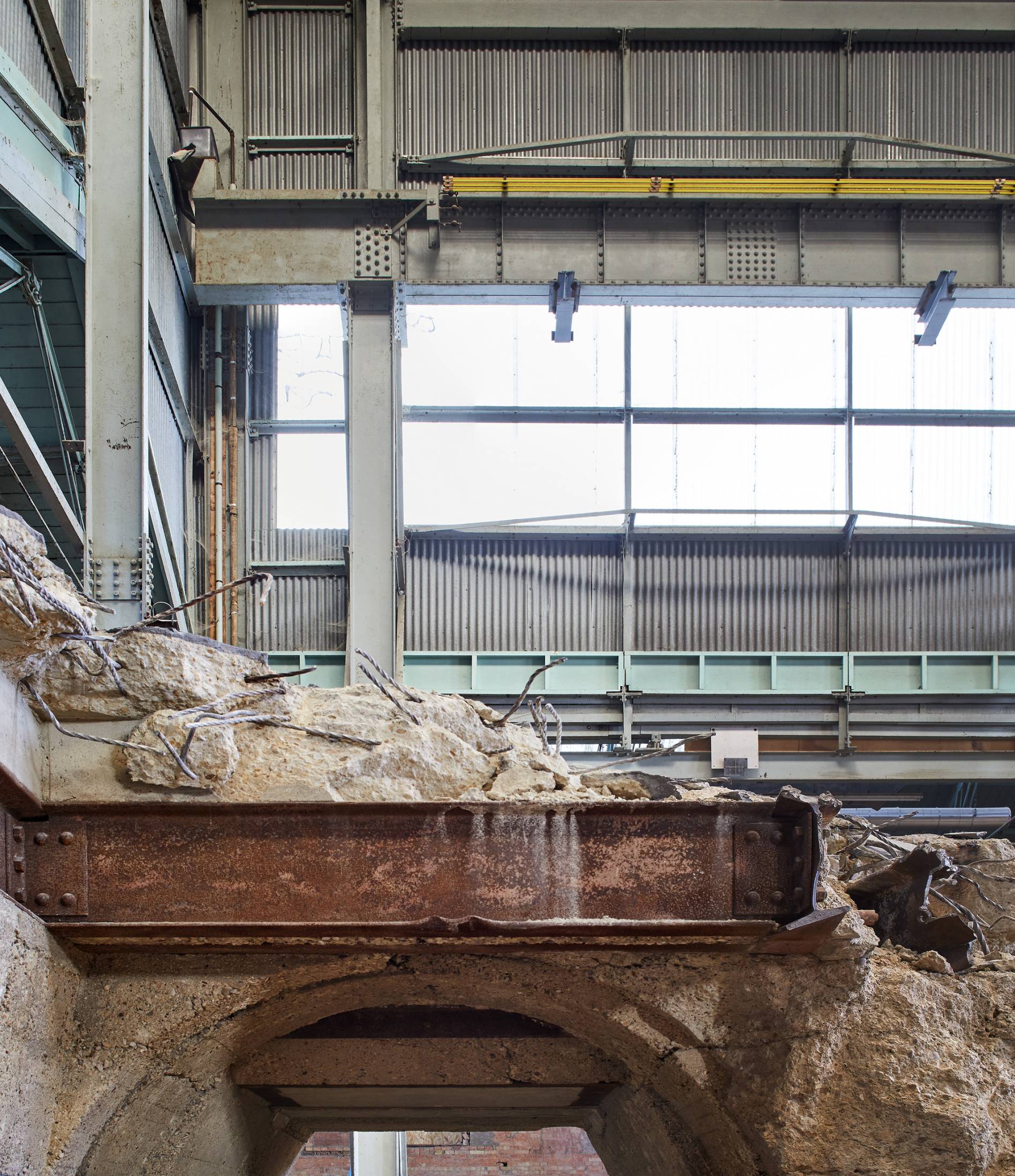
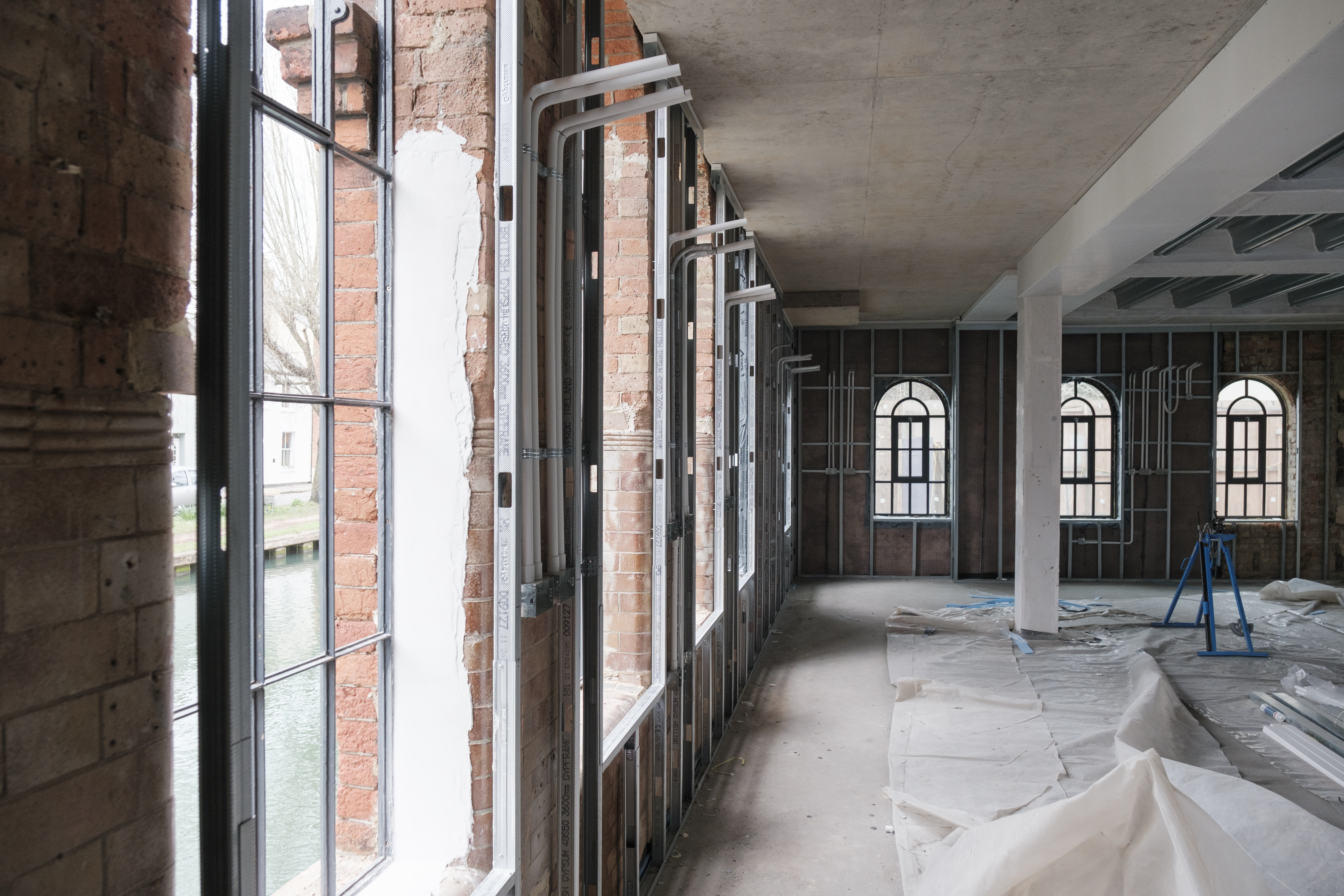
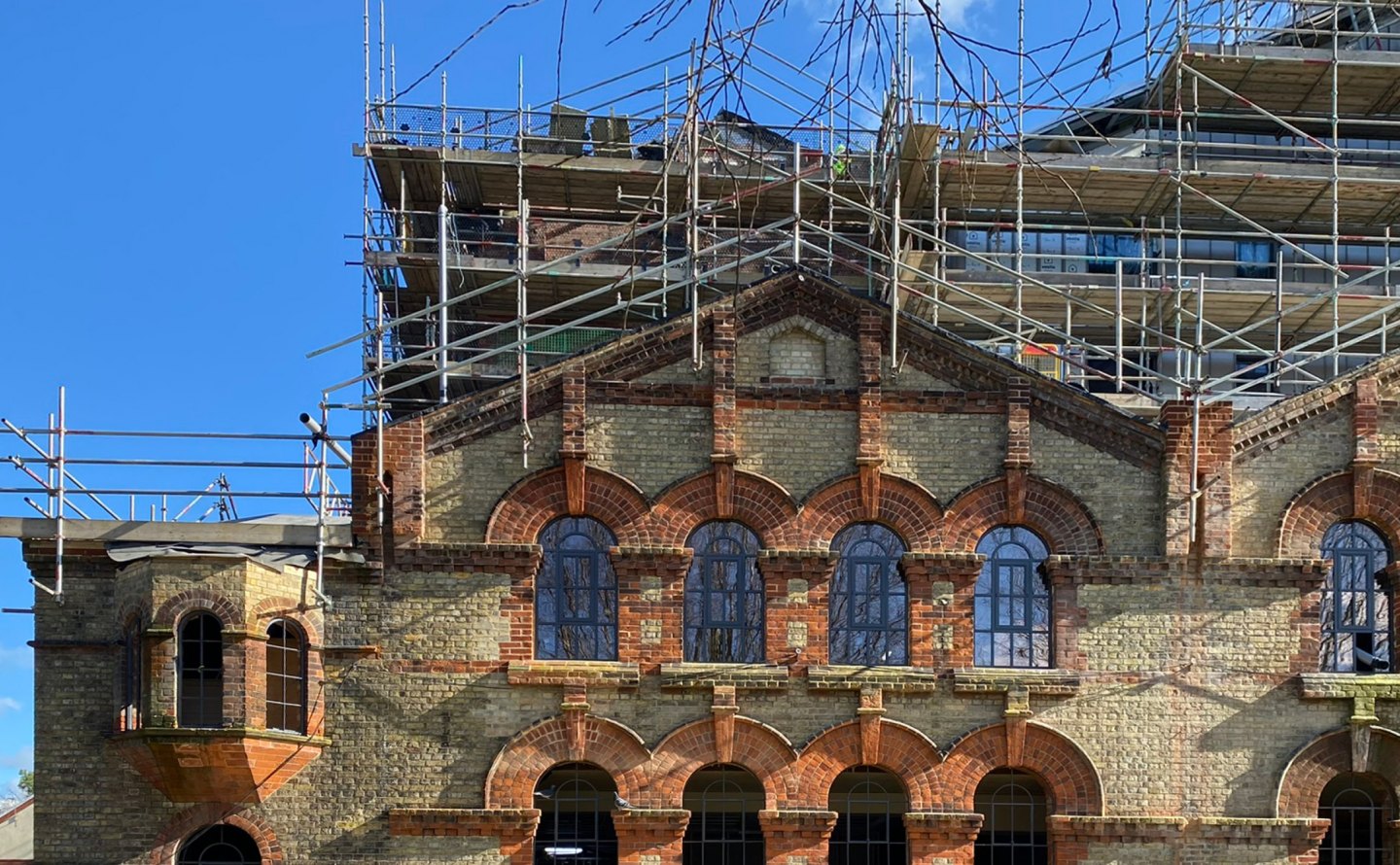
The design champions Osney Power Station's industrial identity. It retains three original facades, exposed brickwork, a crane and 14 steel windows from the 1920s.
Built on heritage
Enforcing quality
Breathing new life into Osney Power Station
En-suite bedrooms
'AGORA-STYLE' HUB
EN-SUITE BEDROOMS
AV/IT MODULAR TEACHING SPACES
Powering new purpose
Answer We designed a hidden, removable section of the roof to discreetly house a large air source heat pump — an engineering first for Ridge that helps us meet zero-carbon in-use goals without affecting the building’s appearance or planning compliance.
Ingenuity
in action
How do you solve the need for a heating system when:
Click on the question mark to reveal the answer
A gas boiler is not desirable? River water cooling is not viable? An air source heat pump can't be visible on the roof?
Delivering lasting impact Despite multiple challenges, the project achieves the client’s aspiration set out at the start of the contract and remains on budget and on track for completion by spring 2026. Through close collaboration, bold solutions and an unwavering commitment to quality, our teams are proud to have helped shape a defining new chapter for this landmark.
Previous chapter
internal courtyard
FLEXIBLE LEARNING/ TEACHING SPACE
DRAFT DRAFT DRAFT DRAFT DRAFT DRAFT
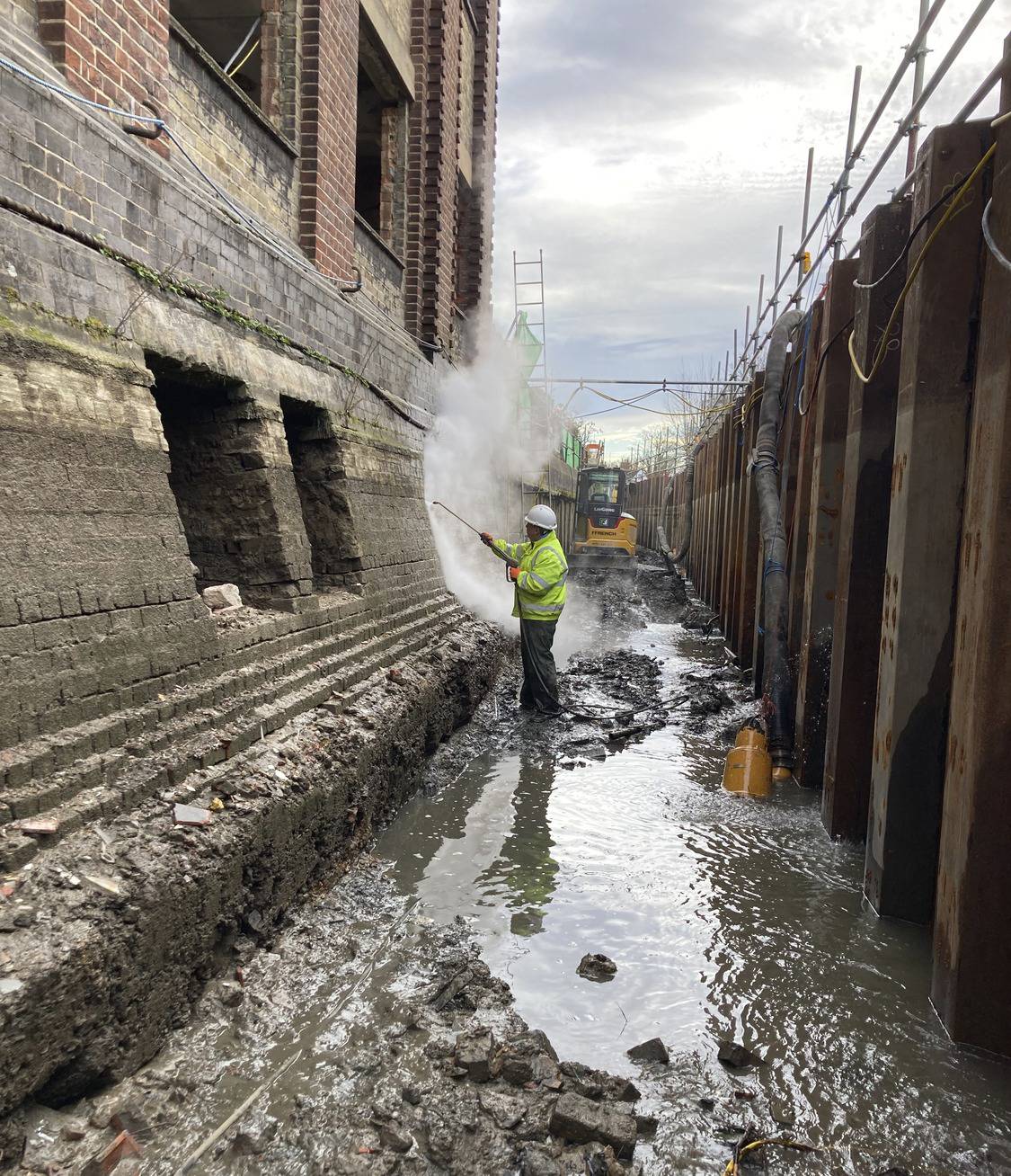
On the banks of the Thames, the Osney site faces serious flood risks. To future-proof the building, it needed a design capable of withstanding an exceptional flood. This meant raising key elements above predicted levels and installing flood barriers. Repairs below the water line to the river wall required precision work within a tight winter window. We oversaw the installation of a 120-metre-long coffer dam which exposed the brickwork, creating a safe, dry working environment.
Building
against the tide
Navigating heritage, hazards and history
The redevelopment of Osney Power Station overlooking the River Thames in Oxford isn't without its challenges. From safeguarding its historic character to navigating environmental risks and tight logistics, this ambitious project has pushed the boundaries of innovation. Project managed by our team in Oxford, our client came to us with big goals, a long-term vision and complex challenges. We have helped to shape those into something achievable, practical and valuable.
The power station is locally listed and sits beside a conservation area, so preserving its key architectural features — such as the historic façades and original windows — is essential. Add in Oxford’s strict Carfax height rule, and the project has demanded precision at every turn.
Heritage meets precision
Eleanor Murray, Associate Dean for Executive Education, Saïd Business School
This building will be a lot more than just bricks and mortar. It will continue Oxford's tradition of inspiring and bringing fresh perspectives to international challenges and opportunities."
Given the site’s historic past, it was unsurprising that an archaeological dig uncovered medieval remains, such as a dovecot that had links to a former monastery. The development’s design was adapted to protect these finds. Part of the site was originally home to collections from the University Museum that comprised hazardous historical artefacts. Specialist removal companies were needed to relocate these displays before construction could continue. Among the museum’s stored items were explosive whaling spears and poison-tipped arrows, requiring bomb disposal experts.
Secrets of the site
Listening to the locals With homes nine metres away, we made communication a priority. Four rounds of public consultation shaped the planning stage, while regular newsletters and face-to-face updates continued to keep residents informed and involved throughout the project.
The development increases the building mass, subsequently triggering detailed right-to-light assessments to ensure neighbouring properties weren’t adversely impacted.
A tight site demands creative logistics, and in this case resulted in off-site material storage and carefully timed deliveries to avoid congestion. Meanwhile, installing the steel frame was a major task that extended over 14 months as we incorporated modern fire safety measures into the structure.
We uncovered solid concrete foundations extending over seven metres deep, demanding meticulous planning and engineering. This significantly increased the requirement for excavation and added to the complexity of an already challenging groundwork phase.
Unexpected ground conditions
Building in tight spaces
Shadows and sightlines
Extensive investigations uncovered hidden hazards, including asbestos and lead paint, some buried deep underground. Meticulous remediation was essential to protect the construction teams and ensure a safe environment for future occupants.
Uncovering hidden hazards
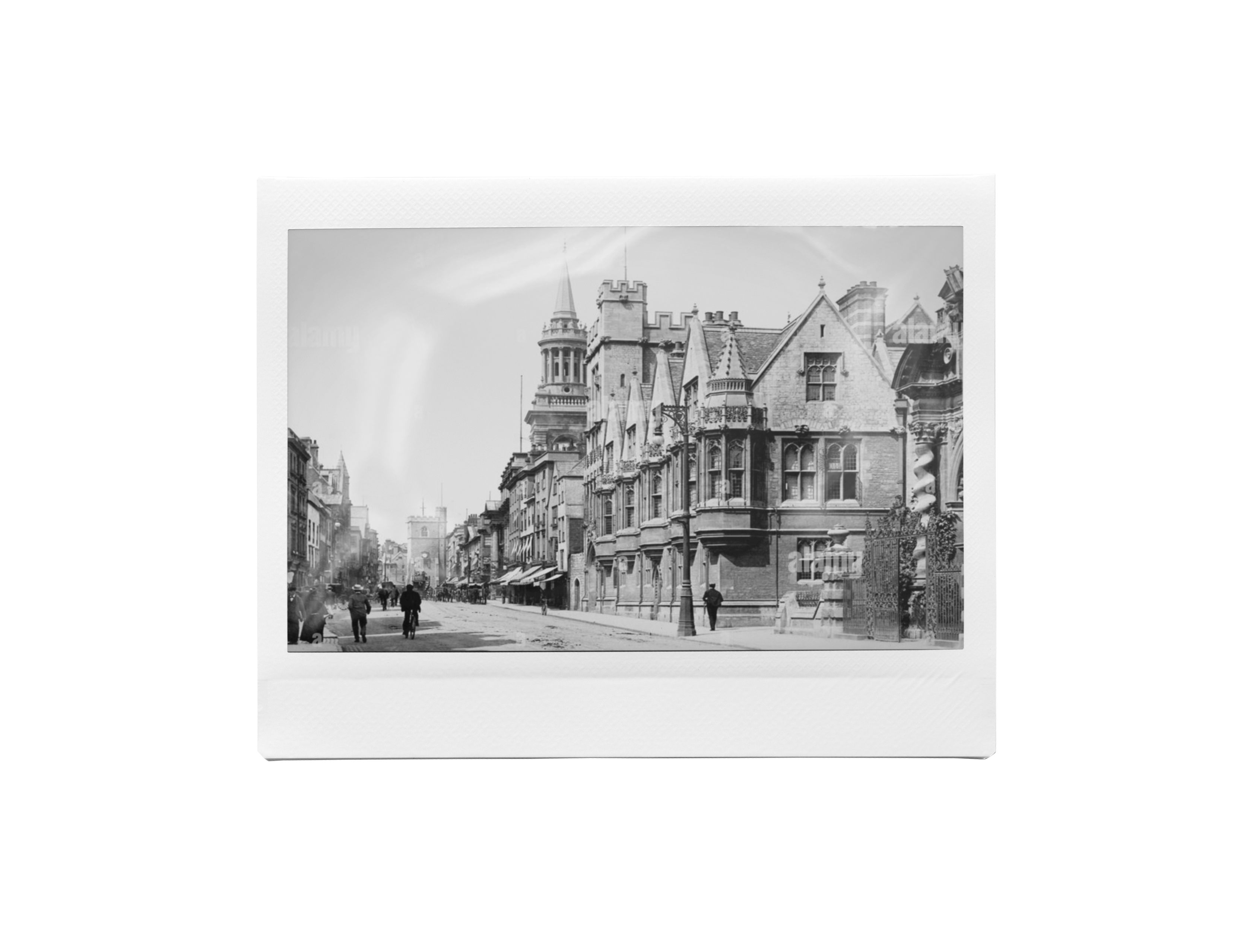
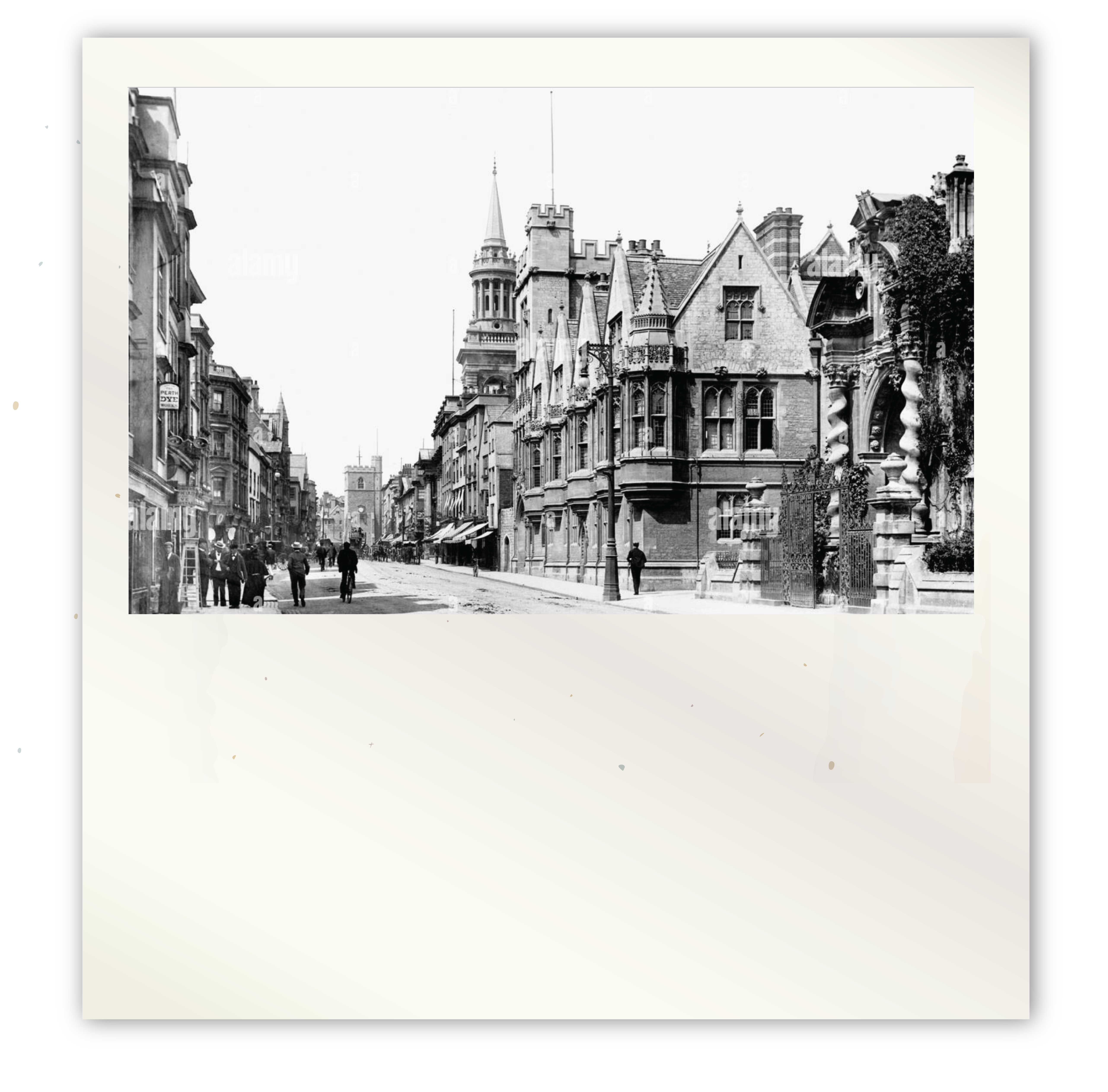
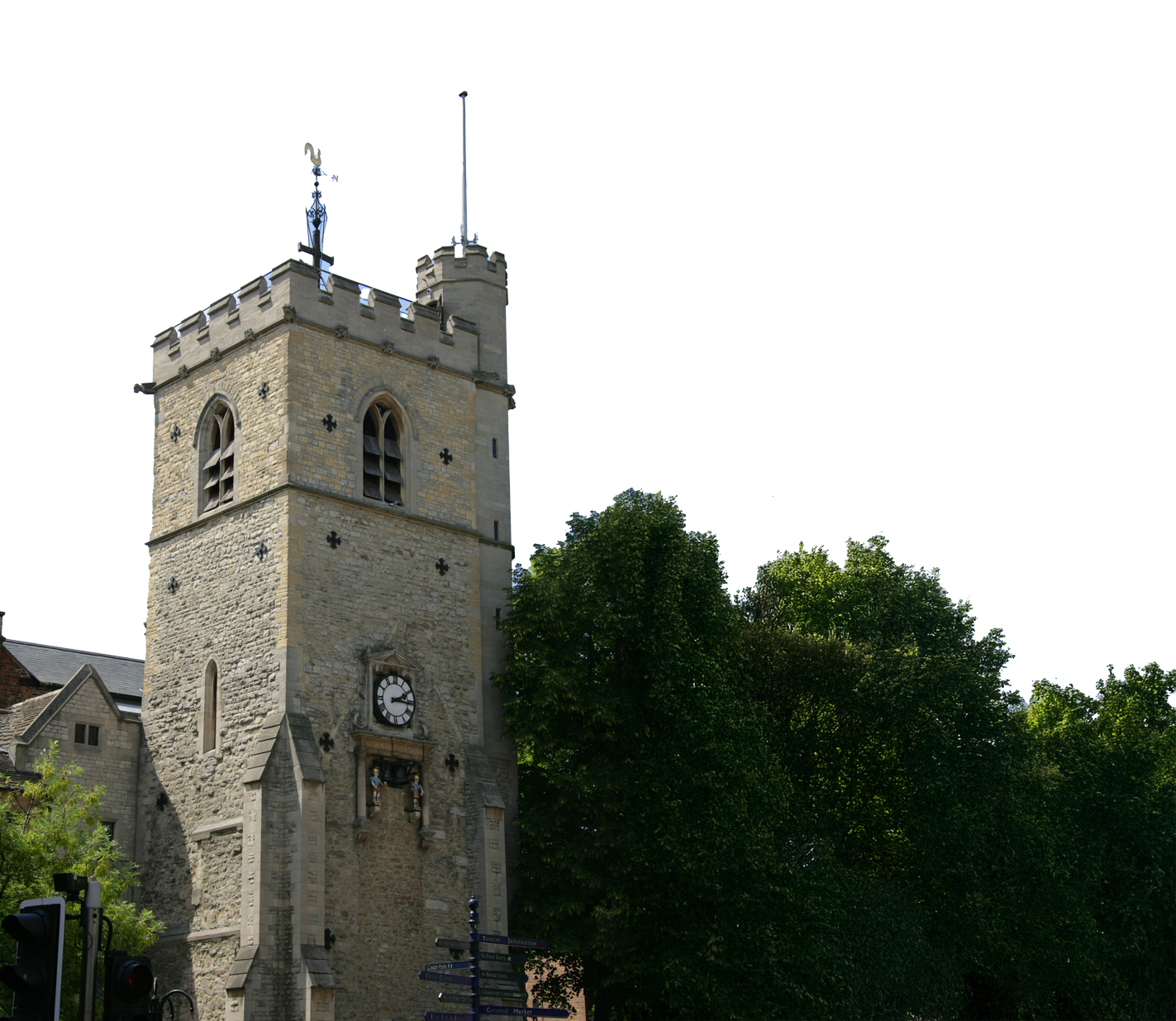
History of the tower The 23m Carfax Tower, originally part of a 12th-century church in Oxford, sets regulations that limit the height of new developments in the city centre to 18.2 meters (60 feet). This preserves the views of the city's historic skyline and protects key landmarks like spires of the university colleges and other significant historical buildings. These were all considerations for Osney Power Station.
Scroll through and discover more onsite challenges
© Hufton + Crow
Achieving an environmental legacy
The transformation of Osney Power Station goes beyond restoring a historic landmark — it’s about creating a sustainable, future-ready home for executive education. As a launchpad for world-class leaders, the Saïd Business School needs a space that inspires ambition, innovation and lasting impact.
Preserving heritage, enhancing efficiency
Much of the original Victorian fabric has been carefully preserved, maintaining the building’s historic character. At the same time, the envelope and internal services are being upgraded to significantly improve thermal performance. This includes installing photovoltaic panels to generate on-site electricity and reduce dependence on non-renewable energy sources. An all-induction kitchen and a Mechanical Ventilation Heat Recovery system further support energy efficiency, delivering low-carbon heating and cooling throughout the building.
To promote the aim for a zero-carbon operation, the building features smart systems throughout to help optimise energy use without compromising user experience. Though full Passivhaus certification isn’t feasible in a retrofit of this scale, airtightness and thermal performance exceed typical standards and set a new benchmark for projects of this kind.
Sustainability has been a core ambition from the outset of this complex Thames-side project in the centre of Oxford. Originally designed with a gas boiler, the building will now run 100% on electricity and is targeting zero carbon in use. To meet strict planning requirements, heating and cooling are delivered via an air source heat pump, hidden beneath a removable section of roof.
Engineering the invisible
This £1.5 million engineering redesign required a revised planning submission — yet added only a single week to the programme.
DALI lighting Hotel smart cards for energy efficiency Intelligent energy controls CO₂-monitored teaching spaces Mechanically ventilated heat recovery
Smart systems, long-term efficiency
Long-term performance is a key design focus. Durable, low-maintenance materials have been used everywhere, particularly in mechanical systems, façades and building infrastructure. Enhanced inspection regimes and digital tools, including 360° site photography and real-time dashboards, have helped us ensure quality is embedded at every stage.
Built for durability
Our ‘Classic Design’ approach prioritises longevity over short-term fixes. Instead of investing in elements that might need replacing in just five years, we focus on quality building fabric, plug sockets, facades etc — components designed to stand the test of time. While hotel refurbishments typically occur every eight years, our aim is to ensure that critical elements like shower basins and mechanical services are built to such a high standard that they will last many more years.
A legacy of integration This project is more than environmentally sustainable — it also supports social and academic sustainability. By bringing more opportunities for executive education into the heart of Oxford, this pioneering redevelopment deepens the school’s connection with both the wider university and the city. It transforms an underused site into a vibrant learning environment with enduring civic and educational value.
Menu
Read more
Find out more about Project Management at Ridge
Saïd Business School CTA here